

DRC Prepares for First Lithium Production at Manono Deposit
DRC Targets First Lithium Production from Manono Deposit as Global Battery Demand Surges
The Democratic Republic of the Congo is preparing to enter the global lithium market, with authorities indicating that the country’s first lithium production could begin in the near future.
Mines Minister Louis Watum Kabamba told international investors that initial production from the Manono lithium project could start as early as the second quarter of 2026, positioning the country as a new supplier of one of the world’s most strategic minerals.
Lithium is a key component in rechargeable batteries used in electric vehicles, smartphones and large-scale energy storage systems, making it a critical resource in the global transition to clean energy.
One of the World’s Largest Lithium Deposits
The Manono deposit is located in Manono territory in Tanganyika Province in southeastern Congo and is widely considered one of the largest undeveloped lithium resources in the world.
A feasibility study by Rio Tinto estimated that the site contains around 45 million tonnes of mineral reserves, with the potential to produce approximately 700,000 tonnes annually.
Geological estimates suggest that the area could hold around 6.6 million tonnes of lithium in the subsoil.
The project comes as global demand for lithium continues to rise sharply. Rapid growth in electric vehicles and renewable energy technologies is driving expansion in the lithium-ion battery market, with industry forecasts projecting strong growth over the coming years.
A Long-Awaited Project
Despite its strategic importance, the Manono project has faced repeated delays since it was first announced.
Local communities have expressed growing frustration as development has progressed more slowly than expected.
Residents had hoped the project would bring jobs, infrastructure and economic opportunities to the region, which continues to face significant socio-economic challenges.
Civil society organizations in Manono have also raised concerns about the slow pace of development and the need for mining projects to deliver tangible benefits for local populations.
Civil Society and Community Preparedness
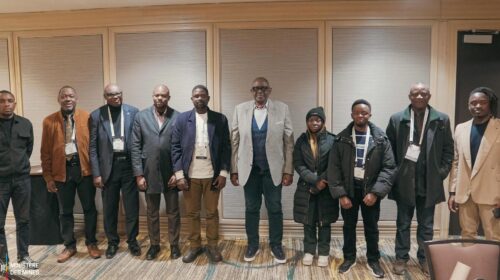
Some organizations have begun initiatives aimed at helping local communities prepare for the potential impacts of lithium mining.
These programs focus on ensuring communities understand their rights and can benefit from future economic opportunities linked to the project.
The African Natural Resources Observatory has been among the groups working to strengthen community engagement and promote responsible resource governance around the Manono deposit.
Disputes and Project Challenges
The project has also been affected by legal disputes, governance concerns and allegations of financial irregularities involving companies linked to the development of the site.
In addition, disagreements over the implementation of community development commitments and the distribution of mining royalties under the country’s 2018 Mining Code have contributed to delays.
These challenges have slowed progress toward full-scale production and increased scrutiny of how mining revenues will be shared with local communities.
Companies Involved in the Project
The Manono project is led by AVZ Minerals in partnership with the Congolese state-owned mining company Cominière.
In 2021, Chinese battery giant Contemporary Amperex Technology Co. Limited invested about $240 million to acquire a 24% stake in the project.
Meanwhile, US-based exploration company KoBold Metals, backed by investors including Jeff Bezos, has also shown interest in developing lithium resources in the DRC.
Another major Chinese mining group, Zijin Mining, has previously been linked to the project but has faced criticism related to governance issues and community commitments.
A Strategic Opportunity for the DRC
If successfully developed, lithium mining in Manono could transform the economy of Tanganyika province and strengthen the DRC’s role in global critical mineral supply chains.
Beyond mining revenues, the project has the potential to support infrastructure development, improve electricity access, expand water supply and stimulate local entrepreneurship in a region that currently lacks many basic services.
For the DRC, entering the lithium market could mark a significant step toward diversifying its mining sector, which is already globally dominant in cobalt production.
Whether the projected production timeline will be achieved remains uncertain, but the project has revived expectations that Manono could become a major hub in the global battery minerals industry.