
Zimbabwe’s Spodumene Exports Soar 30% in H1 2025 Despite Global Lithium Price Slump
Zimbabwe Boosts Lithium Exports by 30% in First Half of 2025 Amid Global Price Decline
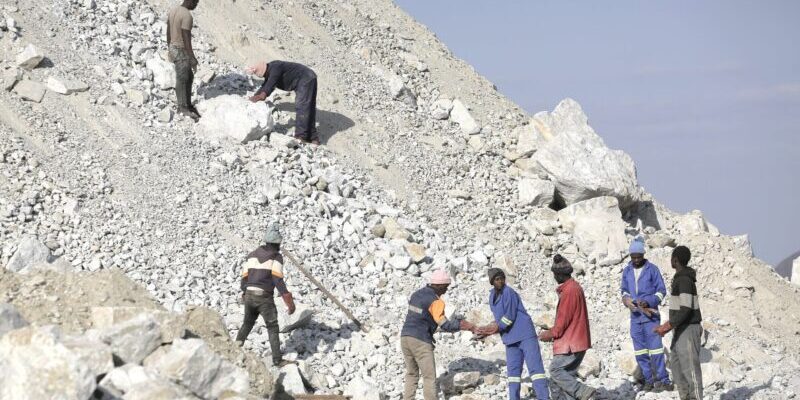
Zimbabwe’s exports of spodumene concentrate—a key lithium-bearing mineral used in battery production—rose by 30% in the first half of 2025, defying the backdrop of falling global lithium prices, according to data from the Minerals Marketing Corporation of Zimbabwe (MMCZ).
From January to June, the country exported 586,197 metric tons of spodumene concentrate, up from 451,824 metric tons during the same period in 2024, MMCZ figures shared with Reuters on Monday revealed.
Despite a nearly 90% drop in global lithium prices over the past two years, driven largely by oversupply, Zimbabwe’s producers remain bullish about the sector’s long-term growth potential, fueled by the global transition to clean energy and electric vehicles (EVs).
“A notable market contradiction was observed in the lithium sector, where prices declined despite a continuous rise in demand for lithium metal,” MMCZ stated, adding that prices are expected to improve in the medium term.
China remains the dominant force in Zimbabwe’s lithium industry. Leading Chinese firms including Zhejiang Huayou Cobalt, Sinomine, Chengxin Lithium Group, Yahua Group, and Tsingshan have invested over $1.4 billion since 2021 to acquire and develop lithium assets in the country.
In 2024, Huayou alone exported 400,000 tons of lithium concentrate from Zimbabwe. The company has now commenced construction of a 50,000-ton-per-year lithium sulphate plant, which will add value to local production. Similarly, Sinomine is planning a $500 million lithium sulphate facility at its Bikita mine.
Lithium sulphate is a critical intermediate product that can be refined into battery-grade lithium hydroxide or carbonate, essential for manufacturing batteries used in EVs and renewable energy storage.
In a strategic shift to encourage domestic beneficiation, Zimbabwe has announced plans to ban the export of raw lithium concentrates by 2027, aiming to retain more value from its mineral resources through local processing and job creation.