Copper Tariff Exemption Reveals the U.S. Balancing Act Between Industry Protection and Energy Costs
Why the U.S. Exempted Refined Copper from Tariffs While Slapping 50% Duties on Aluminum
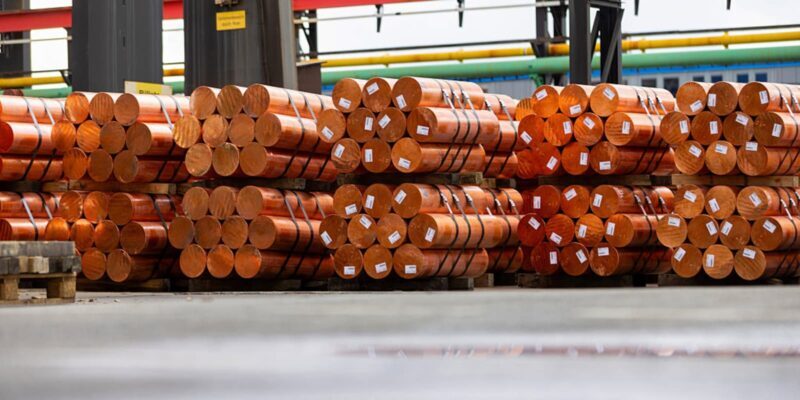
In a move that surprised global markets, the United States last week announced it would exempt refined copper metal from new import duties—while maintaining steep tariffs on semi-finished copper products such as wire, tube, and sheet. The decision sent Comex copper prices down more than 20% since the announcement last Wednesday.
The contrast between this exemption and the earlier imposition of 50% tariffs on aluminum imports highlights the crucial role of energy costs and industry lobbying in shaping U.S. trade and industrial policy.
Since June, aluminum metal shipped to the U.S.—where smelters face higher electricity costs than copper producers—has been subject to these steep duties.
The broader objective is part of a U.S. strategy to revive domestic metal production and reduce reliance on foreign supply chains.
Industry voices have played a central role in these developments. Century Aluminum, one of the few remaining U.S. aluminum producers, has been a strong advocate for the tariffs.
“Century Aluminum Company applauds President Trump’s unwavering defense of the nation’s domestic production of critical metals by increasing aluminum tariffs to 50%,” the company said in a statement in June.
By contrast, the exemption granted to refined copper reflects its critical role in U.S. manufacturing and the political influence of major producers, such as Freeport-McMoRan.
Earlier this year, the company warned the U.S. government that imposing copper tariffs amid a global trade war could damage the already fragile domestic industry.
“A global trade war could result in slower economic growth,” Freeport said in a public comment submitted to a government investigation into copper tariffs.
“Slower growth in the U.S. or globally would negatively impact copper prices, which could threaten the viability of the domestic copper industry due to its elevated cost structure.”
Aluminum smelting is far more energy-intensive than copper production. According to Macquarie, energy accounts for roughly 50% of the cost of producing primary aluminum, compared to 30% for copper.
“There is no economic case for building any greenfield aluminum smelting capacity without substantial intervention,” said Macquarie analyst Marcus Garvey.
“Even then, intervention may not be sufficient.”
One of the biggest barriers to investing in U.S. aluminum smelting is the difficulty in securing long-term power purchase agreements at competitive rates.
Power costs in the U.S. remain significantly higher than in major aluminum-producing countries such as China, the UAE, and Bahrain.
High electricity costs have driven a sharp decline in the U.S. aluminum industry over the past three decades. The number of operational aluminum smelters has dropped from 23 in 1995 to just four today.
According to the U.S. Geological Survey, domestic production of primary aluminum fell from 3.35 million metric tons in 1995 to 1.6 million tons in 2015, and just 670,000 tons in 2024.
SOURCE:mining.com