

Panama’s Economy Poised for Recovery Following Cobre Panama Mine Closure
IMF Projects 4.5% Growth for Panama in 2025 as Economy Rebounds from Copper Mine Shutdown
Panama’s economy is expected to rebound in 2025 as the effects of the late-2023 closure of First Quantum Minerals’ Cobre Panama copper mine fade and non-mining sectors continue to expand, the International Monetary Fund (IMF) said Monday.
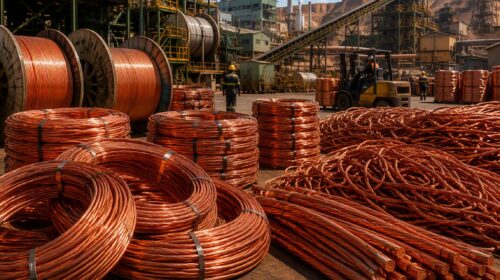
The Cobre Panama mine, one of the world’s largest open-pit copper deposits, was shut down following local protests over tax contributions and environmental concerns.
Its closure significantly affected both Panama’s economy and First Quantum’s financial outlook. The company estimates the shutdown resulted in $1.7 billion in lost economic contributions to the country.
Despite the disruption, the IMF projects Panama’s economy to grow 4.5% in 2025 and maintain an annual growth rate of around 4% through 2030.
This follows a slowdown in 2024, when GDP growth fell to 2.9%, down from 7.4% in the previous year, due in part to the mine’s closure and reduced air transport activity.
“The economy is recovering from the impact of the Cobre Panama mine closure,” the IMF stated, adding that the outlook “is subject to significant downside risks and a high degree of uncertainty.”
The IMF also noted that a government-approved spending reduction plan, if fully implemented, could help Panama achieve its 2025 fiscal targets.
As one of the fastest-growing economies in Central America over the last decade, Panama’s recovery signals renewed stability and growth potential, driven by diversified economic activity beyond the mining sector.