
Kansanshi Mine Empowers Young Women Through Copper Jewelry Initiative
Kansanshi Mine Art Gallery Empowers Vulnerable Girls with Copper Jewelry Training in Zambia
Solwezi, Zambia – First Quantum Minerals’ Kansanshi Mine is transforming copper into more than a global export—it is shaping futures for vulnerable young women through the Kansanshi Art Gallery, a corporate social responsibility project established in 2020.
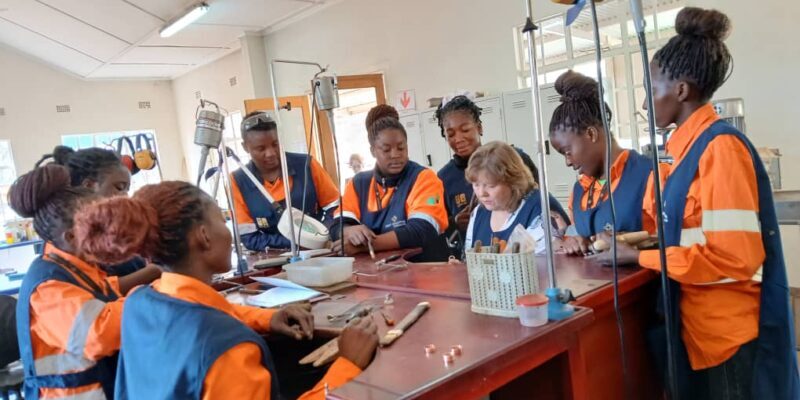
The gallery runs a two-year goldsmithing course that trains girls from vulnerable backgrounds, including orphans and survivors of abuse, to make fine jewelry from copper.
Each cohort admits 10 students, selected through Zambia’s social welfare system and local orphanages, as well as girls supported through Kansanshi’s education programs.
Michele Scholtz, a lecturer at the gallery, explained the purpose behind the initiative.
“Each of the students here has faced difficult circumstances. Many are survivors of abuse or come from orphanages.
Through this program, we equip them with skills and confidence so they can build better futures,” she said.
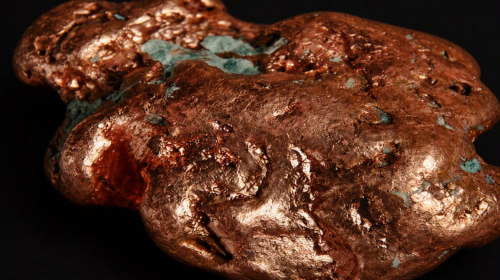
Using copper sourced from Kansanshi Mine’s by-products, students learn techniques applicable to copper, silver, and gold.
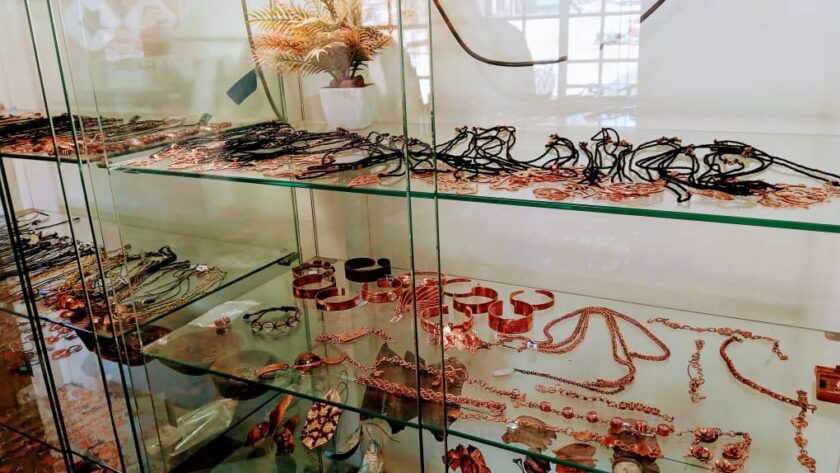
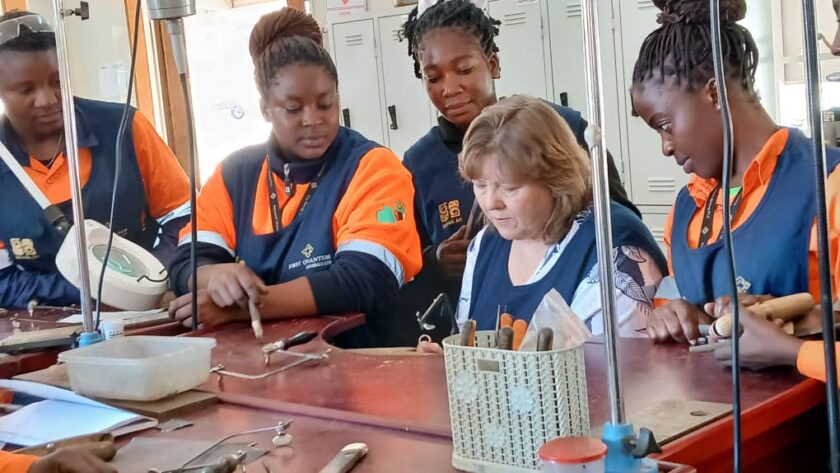
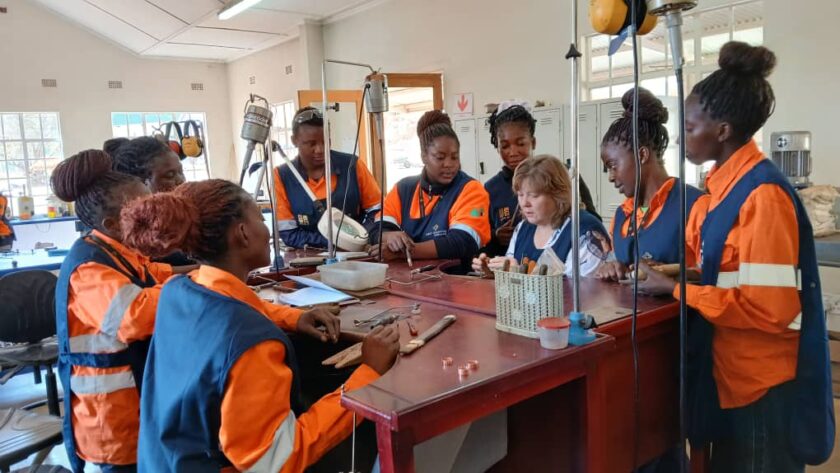
The jewelry—ranging from bracelets and pendants to custom-made pieces—is sold locally and showcased at national and international exhibitions, including the Zambia Art and Design Show in Lusaka and the GemGenève Show in Switzerland.
Proceeds from sales, which have grown from K60,000 in the early years to nearly K500,000 annually, are directed to community support services.
These include the One Stop Centre at Solwezi General Hospital, where survivors of abuse receive free medical, legal, and psychological care, as well as a safe house for women in crisis.
Students not only receive training but are also paid a salary during their studies. The gallery is equipped with modern technology such as a laser welder and laser engraver imported from Italy, making the training world-class.
While the equipment may not be affordable for graduates individually, the skills gained make them highly employable.
Since the program began, 20 women have graduated, and more are currently in training. However, Scholtz highlighted a key challenge: sustaining graduates beyond the program.
“Once the two-year course ends, Kansanshi Mine no longer pays their salaries. That’s why we are working with the private sector to commission collections and provide ongoing opportunities for these young women,” she said.
The project deliberately focuses on girls, addressing the reality that when resources are scarce, families often prioritize boys’ education.
“When you empower a girl, you empower an entire community. That’s why Kansanshi Mine is investing in the girl child through this initiative,” Scholtz added.
Demand for the jewelry is steadily increasing, with Zambians proud to own authentic copper pieces.
Various outlets have been established, including Garden Court Hotel in Kitwe, with plans for further expansion. While most sales are local, the gallery has also attracted international buyers.
For Kansanshi Mine, the project is more than charity—it is about legacy.
“Everyone asks what remains when the mine is gone. This is a real legacy: equipping young women with skills and independence that will last a lifetime,” Scholtz said