Tshisekedi Urges Global Action to Cut Rebel Financing From DRC’s Minerals
At UN Assembly, DRC’s Tshisekedi Calls for Global Transparency to End Mineral-Fueled Conflicts
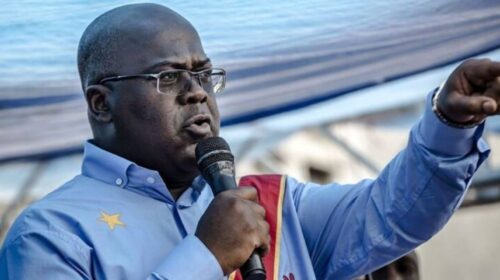
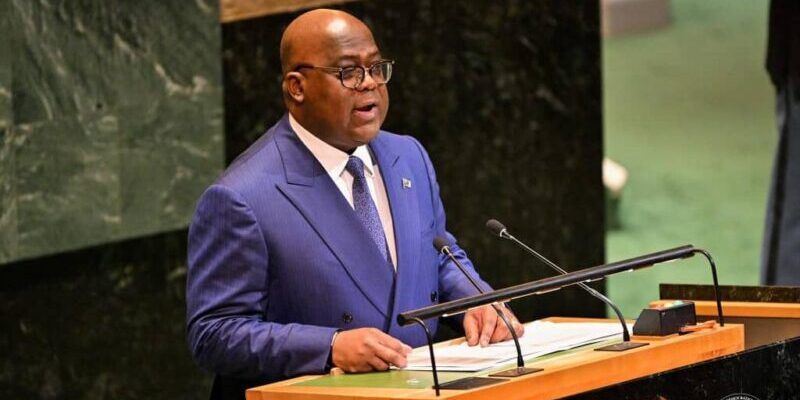
Speaking on Tuesday, September 23, 2025, at the 80th Ordinary Session of the United Nations General Assembly, President Félix Tshisekedi of the Democratic Republic of Congo (DRC) issued a strong appeal to world leaders: break the toxic link between mining revenues and the financing of non-state armed groups.
According to Tshisekedi, this can only be achieved through a set of global reforms that ensure minerals are mined, traded, and consumed under transparent and responsible conditions.
Key Measures Proposed
The Congolese president outlined several concrete steps to curb the illegal exploitation of minerals and the funding of armed groups:
Harmonization of due diligence and traceability rules from mine to consumer.
Full transparency in supply chains and disclosure of beneficial owners.
Independent control and audit mechanisms to verify compliance.
Closer cooperation between customs, judicial, and financial authorities.
Targeted sanctions against traffickers and their support networks.
A resolute fight against corruption, backed by standards of good governance, open contracts, and traceable payments.
Strengthening Domestic Governance
On the domestic front, Tshisekedi reaffirmed his commitment to ensuring exemplary governance of the DRC’s strategic minerals. He emphasized that resource exploitation must align with sustainable development, economic sovereignty, and the well-being of the population.
Such governance, he argued, is essential to reducing the illegal exploitation of natural resources, which he identified as one of the main drivers of persistent conflict in the country.
The DRC–Rwanda Conflict
Beyond global reforms, Tshisekedi drew attention to the ongoing armed conflict with Rwanda, which Kinshasa accuses of supporting the AFC-M23 rebel movement. Since early 2025, the group has seized control of two major cities in eastern Congo—Bukavu and Goma.
According to Congolese authorities, the war is driven primarily by economic interests, particularly the illicit trade in gold, coltan, and other strategic minerals, allegedly benefiting Rwanda and its Western partners.