Zambia Details Strategic Economic Recovery and Governance Reforms
Zambia Restores Investor Confidence with Fiscal Discipline and Sovereign Credit Upgrades
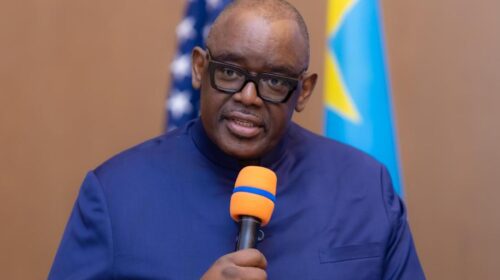
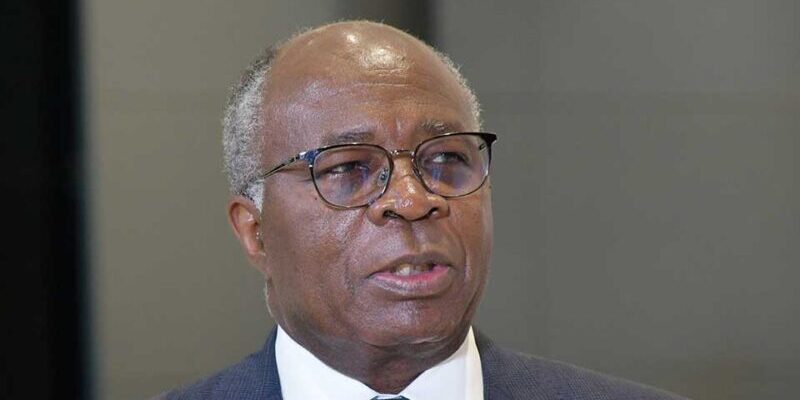
Zambia’s Minister of Finance and National Planning, Dr. Situmbeko Musokotwane, has detailed the country’s economic recovery trajectory, highlighting how years of fiscal instability, governance challenges, and unsustainable borrowing have been addressed to restore national credibility and investor confidence.
In a national statement, Dr. Musokotwane emphasized that recent sovereign credit rating upgrades by S&P Global Ratings and Fitch Ratings were the result of deep institutional reforms, not temporary economic improvements. He noted that Zambia is emerging from a period of shrinking buffers, rising debt, and declining international trust.
Learning from the Crisis Years (2015–2021)
Dr. Musokotwane revisited the period between 2015 and 2021, describing it as a time of significant economic strain:
Falling copper prices
Rapid external borrowing
Weak public financial controls
Political uncertainty
The consequences included job losses in mining, suspension of donor support, declining accountability, and a deteriorating investment climate. By 2020, Zambia had defaulted on its Eurobond, becoming the first African nation to do so during the COVID-19 pandemic.
New Dawn Administration’s Reforms
Upon taking office in 2021, the New Dawn Administration prioritized fiscal discipline, transparency, and economic stability. Key reforms included:
Restructuring external debt under the G20 Common Framework
Restoring foreign reserves
Strengthening budgetary controls
Stabilizing policy in the mining sector
Improving procurement systems and oversight of public funds
“By restoring order to our repayment structure, we reopened a credible path back to the global economy,” said Dr. Musokotwane.
Impact of Credit Rating Upgrades
The upgrades from S&P and Fitch reflect Zambia’s transition from a high-risk, default-prone market to a recovering economy with stronger institutional foundations. These improvements are expected to:
Lower borrowing costs for the government and businesses
Attract long-term investment in key sectors
Enhance international trust and credibility
Future Outlook: Jobs, Growth, and Competitiveness
Dr. Musokotwane emphasized that lessons from past crises underscore the importance of leadership discipline, governance, and oversight. The government plans to build on current gains through:
Expanded job creation in mining, agriculture, manufacturing, and energy
Strengthening Zambia’s regional competitiveness
Sustaining reforms to ensure long-term economic stability
“The hard work of repair is underway. The greater work now lies in defending these gains. Together, we shall excel,” he concluded, expressing confidence in Zambia’s continued recovery and growth.
This roadmap highlights Zambia’s commitment to fiscal responsibility, institutional reform, and sustainable economic development, positioning the nation as a reliable and attractive partner for global investors.