
Tshisekedi Outlines Four Priorities After Historic Peace Agreement with Rwanda
DRC–Rwanda Peace Deal: Tshisekedi Sets Roadmap for Security, Withdrawal of Foreign Forces & Lasting Stability
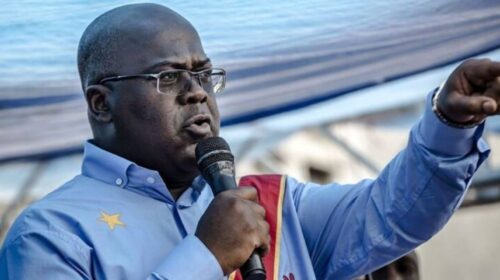
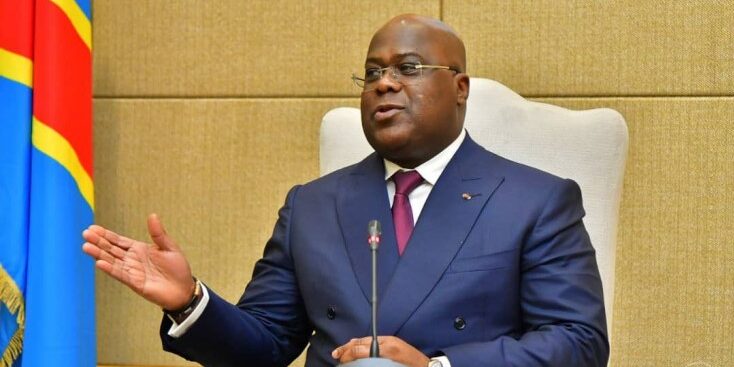
As is customary, President Félix Antoine Tshisekedi Tshilombo addressed parliamentarians gathered in Congress on Monday, December 8, 2025. In his speech, he clarified the nature and objectives of the agreements recently signed in Washington.
He emphasized that four major priorities will guide government action in the coming weeks—key steps intended to translate the peace accord into tangible results on the ground.
Reflecting on what he called a historic moment, President Tshisekedi underlined the importance of the peace agreement concluded in Washington between the Democratic Republic of Congo and Rwanda.
He described the accord as a decisive step toward stabilizing the eastern regions of the country and initiating a process of security and diplomatic normalization that must be “firm, irreversible, and driven by the interests of the Congolese people.”
The Four Government Priorities;
- Complete withdrawal of foreign forces
The President reaffirmed that all foreign forces—whether regular armies or armed groups—must leave Congolese territory.
“The sovereignty and territorial integrity of the DRC are non-negotiable,” Tshisekedi insisted. He noted that the agreement includes a clear, supervised, and verifiable mechanism for withdrawal, coordinated with regional and international partners to ensure its effectiveness.
- Dismantling financial and logistical networks of violence
Tshisekedi stressed the need to dismantle the financial and logistical chains that continue to supply armed groups. He denounced what he called a “mafia ecosystem” benefitting from instability, especially through illegal mining activities and cross-border trafficking.
- Protection of civilians and humanitarian access
The President emphasized that civilians remain the primary victims of conflict and called for stronger protection in affected provinces. He announced a reorganization of defense and security forces to ensure a more visible and deterrent state presence.
Tshisekedi also urged an acceleration of humanitarian access to isolated areas, support for displaced populations, and efforts to facilitate the return of families and the delivery of essential services.
- Building lasting peace
According to the President, sustainable peace requires deep reforms, regional cooperation, reconstruction of affected territories, and reintegration of former combatants. He highlighted the importance of socio-economic development, youth employment, opening up remote regions, and restoring trust between communities and state institutions.
In his address, President Tshisekedi covered a wide spectrum of national priorities—from security and mining to transport, the economy, health, and education—underlining the government’s intention to approach peacebuilding as part of a broader national transformation.