

Ghana Restores Full Protection of Forest Reserves with Nationwide Mining Ban
Ghana Reinstates Ban on Mining in Forest Reserves to Protect Water Bodies and Halt Deforestation
Ghana has reinstated a full ban on mining in forest reserves as part of a comprehensive environmental protection effort aimed at safeguarding water bodies, halting deforestation, and strengthening the country’s climate resilience, the Ministry of Environment, Science and Technology has announced.
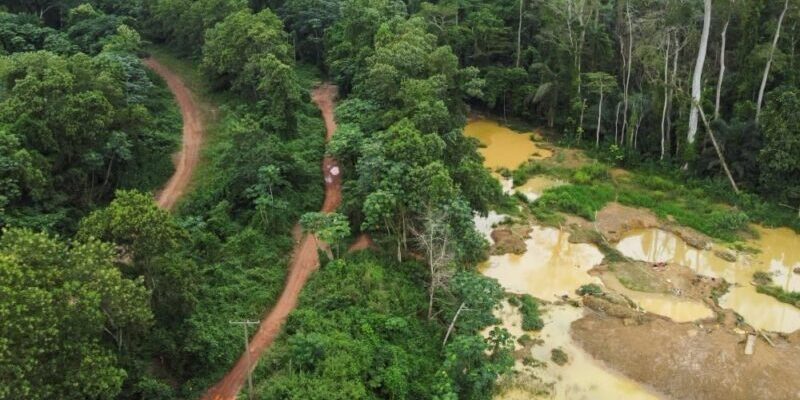
The policy shift comes as Africa’s leading gold producer grapples with escalating, poorly regulated small-scale mining activities that have ravaged cocoa farms, degraded forests and rivers, and raised sustainability concerns across the mining value chain, prompting public outcry.
Industrial mining companies have reported repeated incursions by illegal miners onto their concessions. Major operators—including Gold Fields, AngloGold Ashanti, Newmont and Asante Gold—have had to significantly increase spending on security technologies, surveillance drones and community engagement initiatives to protect their operations.
Government data shows that illegal mining now spans 13 of Ghana’s 16 regions, including key cocoa-growing areas in the Ashanti, Western and Eastern regions. In recent years, authorities have sought to overhaul the sector by licensing artisanal miners, establishing community mining schemes and deploying security personnel to curb illegal mining and illicit gold trading.
The decision follows the repeal of the Environmental Protection (Mining in Forest Reserves) Regulations, introduced in 2022, which had allowed controlled mining within forest reserves.
The repeal took effect this week after a constitutionally required 21-day period, providing Ghana—also the world’s second-largest cocoa producer—with stronger legal tools to protect forests, water sources and agricultural land.
“Healthy forests bring rainfall, protect our farms, and give life to our communities. Clean rivers secure our drinking water and our future,” said Acting Environment Minister Emmanuel Armah-Kofi Buah.
Environmental advocates have welcomed the move, noting that it represents a significant recalibration of Ghana’s environmental policy. Daryl Mensah-Bonsu of Da Rocha Ghana described the decision as an important restoration of protections after previous regulations opened nearly 90 percent of forest reserves to mining activity.
However, he stressed that the repeal alone will not resolve all challenges. “We now have an opportunity to address teething issues of encroachment from logging and farming and to put in place a national forest development programme to restore and grow our forests to serve present and future generations,” he said.
The government has reiterated that the strengthened protections will support long-term environmental stewardship, reduce ecosystem degradation, and protect the natural resources on which millions of Ghanaians depend.