Glencore–Rio Tinto Buyout Talks Signal Potential Mega-Merger in Global Mining
Glencore and Rio Tinto in Early Buyout Talks That Could Create World’s Largest Mining Company
Glencore and Rio Tinto have confirmed they are engaged in early-stage buyout discussions that could lead to the creation of the world’s largest mining company, with a combined market value of nearly US$207 billion.
The talks come as global mining companies race to scale up their exposure to critical metals such as copper, which is expected to see surging demand driven by the global energy transition and the rapid expansion of artificial intelligence and data centres. This trend has already sparked a wave of project expansions and consolidation across the sector.
While both companies have disclosed limited details, the current discussions are understood to centre on a potential all-share buyout by Rio Tinto of some or all of Glencore.
This marks the second round of talks between the two miners in just over a year, following an approach by Glencore in late 2024 that did not progress to a deal.
Neither company has indicated whether a takeover premium would be offered or how leadership of a combined entity would be structured. Analysts note that any transaction would likely be complex but could unlock significant long-term value if executed carefully.
Despite the strategic rationale, market reaction has been mixed. Glencore shares rose sharply following confirmation of the talks, while Rio Tinto’s shares declined, reflecting investor concern over valuation and the risk of overpaying.
Some shareholders remain cautious, pointing to the mixed track record of large-scale mergers in the mining sector and the potential for shareholder dilution if acquisitions occur at the top of the market cycle.
Rio Tinto, the world’s largest iron ore producer, currently has a market capitalisation of approximately US$142 billion. Glencore, one of the world’s leading producers of base metals, is valued at around US$65 billion. A successful merger would surpass BHP Group to become the most valuable mining company globally.
Copper Versus Coal
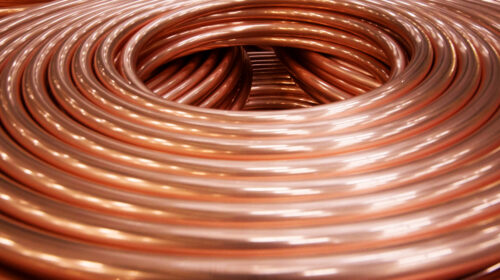
Both companies are increasingly focused on copper, a metal central to electrification, renewable energy systems, and digital infrastructure.
Global copper demand is projected to rise sharply by 2040, while supply growth is expected to lag without significant new investment and recycling efforts.
A key issue in any potential deal is the future of Glencore’s coal assets. Rio Tinto exited coal entirely in 2018, and some investors believe any merger would require the divestment of coal operations to secure shareholder support, particularly in Australia.
Concerns have also been raised about regulatory scrutiny, particularly from China, the world’s largest consumer of industrial metals, where antitrust considerations could pose a significant hurdle.
Leadership and Cultural Considerations
Renewed talks reportedly began toward the end of 2025, following leadership changes at Rio Tinto. The company is now led by CEO Simon Trott, who took over in August and has signalled a greater openness to large-scale transactions, alongside a strategy focused on streamlining operations and divesting non-core assets.
Investors and analysts note that beyond pricing and regulatory approvals, cultural integration would be one of the most critical challenges.
Glencore’s trading-driven, opportunistic culture contrasts with Rio Tinto’s traditionally operational and asset-focused approach. However, some shareholders believe elements of Glencore’s culture could enhance Rio Tinto’s performance if integrated with discipline.
While there is no certainty that a deal will be agreed, the discussions highlight the growing pressure on major miners to consolidate, secure future-facing commodities, and position themselves for long-term demand growth in a rapidly evolving global economy.