M23 Strengthens War Economy Through Mining and Taxation in North and South Kivu
One Year After Goma’s Fall, M23’s Resource-Funded War Economy Remains Strong.
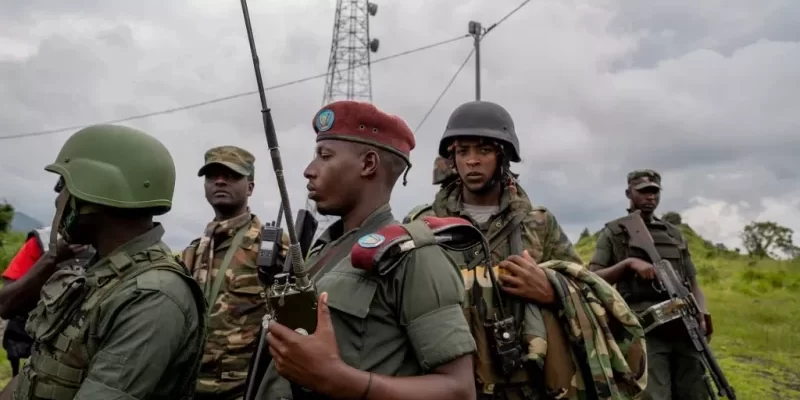
One year after the fall of Goma in eastern Democratic Republic of Congo (DRC), the March 23 Movement (M23) has consolidated a resilient war economy built on control of natural resources and the establishment of a parallel administration across territories under its control, particularly in North and South Kivu.
Despite sustained regional and international diplomatic efforts, the group’s financial base remains intact—and in some areas has grown stronger.
A Parallel Administration Funded by Widespread Taxation
According to Zobel Behalal, senior expert at the Global Initiative Against Transnational Organized Crime and former member of the UN Panel of Experts on the DRC, M23 has developed a highly structured taxation system that permeates daily life in areas it controls.
Taxes are levied on marriages, the transfer of bodies, border crossings, mining activities, and routine commercial transactions.
This broad based taxation generates substantial revenue for the movement. At the same time, M23’s operational costs remain relatively low.
Fighters receive minimal pay and limited logistical support, a situation that has contributed to abuses against civilians. Much of the money collected is instead channelled into the financial networks of the group’s political and military leadership.
Expanded Control of Mining Sites
Before capturing Goma, M23 already controlled key mining areas, including Rubaya, a major hub for coltan production. Over the past year, the group has expanded its reach into South Kivu, taking control of additional sites producing gold and wolframite, both highly valued on international markets.
The group has also maintained control over critical mineral export routes, particularly those connecting Rubaya to Rwanda. These secure logistics corridors enable M23 to convert illicit mineral exploitation into steady financial flows, directly funding its military operations and strengthening its capacity to sustain conflict.
Regional Beneficiaries and External Support
The revenues generated by this mining economy extend beyond M23 itself. Behalal points to well documented evidence of Rwanda’s support for the group.
Rwandan coltan export figures between January and June 2025 rose by 200% compared with the same period in 2024—an increase difficult to explain without minerals originating from M23-controlled areas.
Other regional economies also benefit indirectly. Trade between M23-held territories, Uganda, and countries such as Kenya and Tanzania feeds commercial networks that profit from instability.
In Goma, for example, fuel imports are now reportedly controlled by associates of General Sultani Makenga, M23’s military leader, who hold a monopoly over supplies, particularly those coming from Kenya.
Diplomatic Efforts and a Persistent Blind Spot
Over the past year, diplomatic initiatives aimed at resolving the conflict have intensified. However, their impact on the ground has been limited. Behalal argues that this is due to a critical blind spot in peace negotiations: the failure to directly address control over, and exploitation of, natural resources the central driver of the conflict.
While initiatives such as the Washington Process and a framework agreement signed in the United States in late 2025 seek to place regional economic dynamics at the heart of peace efforts, tangible results have been slow to emerge.
There is growing concern that, without effective safeguards, such mechanisms could inadvertently encourage further territorial expansion and enrich already entrenched criminal networks.
A War Economy Built to Last
One year after Goma’s fall, the picture is stark. As long as M23 and its external backers retain access to lucrative natural resources, prospects for lasting peace in eastern Congo remain fragile.
The illicit mineral trade sustains cross-border criminal networks that reach deep into political and security elites across the region, including within the DRC itself.
In this context, the financing of M23 remains the central issue of the conflict one that continues to be insufficiently addressed by current diplomatic efforts, despite its decisive role in perpetuating instability in eastern Congo.