DRC Puts Rubaya Tantalum Mine on Strategic Asset List for US Investment
DRC Offers Rubaya Coltan Mine and Key Critical Mineral Assets to US Under Strategic Partnership Framework
The Democratic Republic of Congo (DRC) has added the rebel-held Rubaya coltan mine one of the world’s richest tantalum deposits to a shortlist of strategic assets proposed to the United States under a bilateral minerals cooperation framework.
The inclusion of Rubaya was confirmed by Congolese and US officials following a DRC–US meeting in Washington on 5 February aimed at advancing a strategic minerals partnership agreed in December.
The move signals Kinshasa’s intention to position the mine as part of a broader effort to attract American investment into the mineral rich but conflict affected eastern region of the country.
Strategic Importance of Rubaya
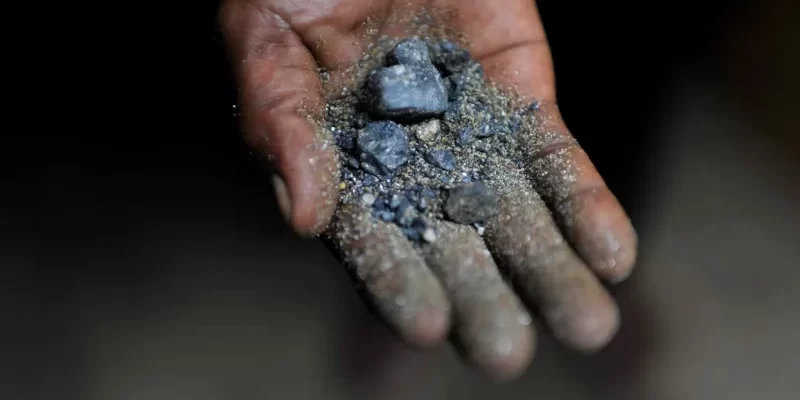
Rubaya, located in North Kivu province, contains several thousand metric tons of coltan ore with tantalum concentrations estimated at between 20% and 40%. The site is believed to account for approximately 15% of global coltan output.
Tantalum, a heat-resistant metal derived from coltan, is widely used in semiconductors, aerospace components, mobile phones, computers and gas turbines, making it a strategically important material for advanced manufacturing and defence industries.
The Congolese government estimates that between $50 million and $150 million would be required to restart and scale up commercial production at Rubaya.
Authorities argue that strong global demand for tantalum could enable relatively rapid cost recovery if operations are formalised and industrialised.
According to official planning documents, Rubaya could potentially supply a fully traceable, conflict-free stream of tantalum compliant with US procurement standards.
Security and Political Complexities
Despite its strategic value, Rubaya and surrounding areas remain under the control of the AFC/M23 rebel group. The occupation has contributed to organised smuggling networks, with coltan reportedly trafficked across borders.
The United Nations has previously estimated that the group collects significant monthly revenues from taxation of coltan production and trade.
Rwanda has denied backing the rebels, while M23 and its political affiliate have criticised the minerals cooperation framework, arguing that new agreements should not be negotiated amid ongoing conflict.
By including Rubaya on the strategic asset list despite not controlling the site, Kinshasa appears to be signalling both its claim over the asset and its intention to formalise operations if security conditions allow.
Preferential Access for US Companies
Under the minerals cooperation framework, eligible US companies are expected to receive preferential access to designated strategic assets.
Washington has framed the initiative as a mechanism to encourage transparent investment, support job creation and strengthen long-term stability in the DRC.
The move also aligns with broader US efforts to diversify critical mineral supply chains and reduce reliance on Chinese-controlled resources in Africa.
Broader Portfolio of Critical Assets
In addition to Rubaya, the DRC’s proposed strategic asset reserve reportedly includes several high-profile projects:
The Manono lithium deposit in Tanganyika province
The Chemaf copper–cobalt complex in Haut-Katanga and Lualaba
The STL Germanium–Gallium expansion in Lubumbashi
Proposed cobalt refining projects
Hydropower projects linked to Gécamines
The Lobito Corridor rail development project
Gold prospects including Kibali South and Moku Beverendi
The minerals partnership forms part of Washington’s wider strategy to secure access to critical metals such as copper, cobalt, lithium, tantalum and germanium materials essential to energy transition technologies, defence systems and high-tech manufacturing.
While initial supply agreements have reportedly been signed with certain US or allied firms, details of specific companies involved and the status of formal negotiations have not been publicly disclosed.
If successfully implemented, the framework could reshape investment dynamics in the DRC’s critical minerals sector though security realities in eastern Congo remain a decisive variable.