
Tshisekedi Prioritises Gold Sector Reform to Boost State Revenue
DRC President Félix Tshisekedi Unveils Strategy to Curb Gold Smuggling and Strengthen Economic Sovereignty
The President of the Democratic Republic of the Congo, Félix Tshisekedi, has placed reform of the gold sector at the centre of the government’s economic agenda, citing its critical importance to public finances and macroeconomic stability.
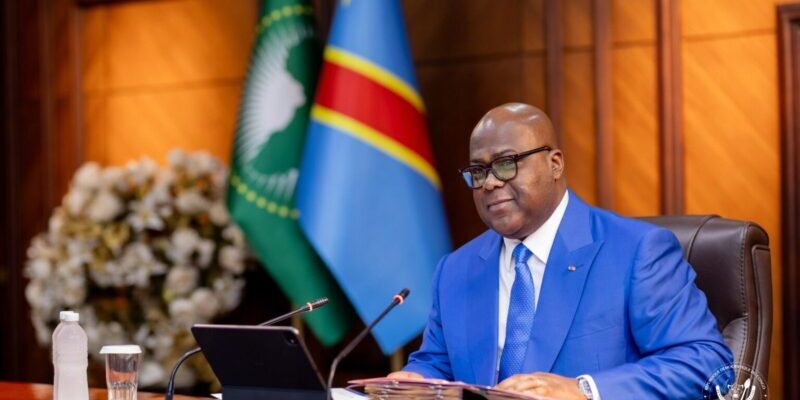
During the Council of Ministers meeting held on 20 February 2026, President Tshisekedi underscored the strategic value of gold production and expressed concern that a significant portion of national output continues to bypass official channels.
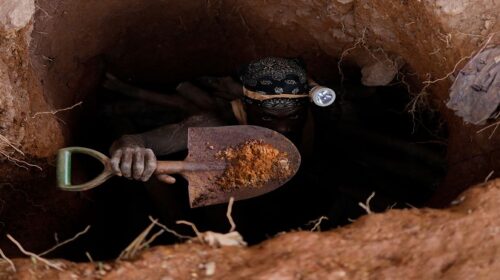
According to the meeting’s official report, this leakage is largely driven by the dominance of artisanal mining, porous borders, tax disparities with neighbouring countries and the persistence of informal trading networks.
The situation has resulted in substantial losses in public revenue, underreporting of export volumes and weakened oversight of foreign exchange flows. It also exposes the country to risks linked to illicit financial networks.
Integrated Strategy to Formalise Gold Flows
In response, the Head of State has directed the government to implement an integrated strategy to capture, trace and secure gold production and exports. The objective is to progressively integrate artisanal and semi-industrial output into the formal economy, thereby increasing state revenues, safeguarding foreign exchange earnings and reinforcing economic sovereignty.
The proposed strategy is built on four key pillars:
- National Traceability and Centralisation System
The government plans to establish a comprehensive traceability framework, including mandatory identification of sector actors, compulsory sales through authorised trading counters connected to the mining administration and the Central Bank of the Congo, and the centralisation of payments within the formal banking system. - Economic Incentives for Formalisation
Targeted fiscal adjustments, pricing mechanisms indexed to international gold prices and faster, more transparent payments to producers are intended to make the formal market more attractive than parallel trading networks. - Strengthened Border and Compliance Controls
Enhanced monitoring at strategic exit points, regular audits, reinforced supervision of high-risk officials and closer collaboration with agencies combating illicit financial flows will form a core part of enforcement efforts. - Regional Cooperation
The strategy also calls for deeper regional collaboration through customs data sharing and harmonised certification mechanisms to prevent the diversion of gold flows across more permissive borders.
Coordinated Government Action
Given the sector’s strategic importance, President Tshisekedi has instructed the government under the coordination of the Prime Minister to swiftly design and implement a coherent operational plan.
The initiative will involve the Ministries responsible for Interior, National Economy, Finance, Mines and Foreign Trade.
Through this reform agenda, the executive aims to protect national economic interests, combat fraud and smuggling, and enhance transparency in one of the country’s most vital mineral sectors.