

DRC Strengthens Energy Sovereignty with New Oil Infrastructure Contracts
Democratic Republic of Congo signs oil infrastructure contracts to boost state control and energy autonomy
The Democratic Republic of Congo has taken a significant step toward strengthening energy sovereignty with the signing of new oil infrastructure operating contracts.
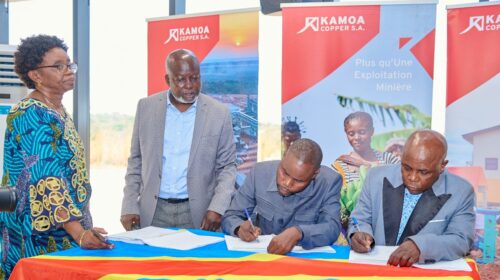
The agreements, signed on Tuesday, April 8, 2026, in Kinshasa, formalize collaboration between SEP Congo SA and the National Company for the Management of Oil Infrastructure (ENGIP-RDC SA).
The ceremony was held at the Ministry of Portfolio under the leadership of Minister Julie Shiku, with the Minister of State for Hydrocarbons, Acacia Bandubola, in attendance.
The contracts mark a turning point in the management of the country’s petroleum assets, emphasizing greater state involvement and oversight.
Government focus on governance and national development
In her remarks, Minister Shiku emphasized that the agreements align with the government’s strategy to strengthen governance of public enterprises and leverage state assets for national development.
The goal, she said, is to enable more structured and efficient management of oil infrastructure, particularly through the consolidation of a national company dedicated to petroleum logistics.
Private sector welcomes collaboration
From the partners’ perspective, the agreements signal strong confidence in state-led initiatives.
SEP Congo Managing Director, Malick Ndiaye, highlighted the trust placed by Congolese authorities in his company, which has over 50 years of experience in hydrocarbon transport and management.
He described the agreements as a foundation for sustainable collaboration based on performance and skills transfer.
Similarly, ENGIP-RDC Managing Director, Richard Beya Ilunga, stressed the strategic importance of the contracts for consolidating the country’s energy sovereignty.
He underlined the objectives of ensuring operational continuity, securing petroleum supply, and developing national storage and transportation capacity.
Modernizing energy infrastructure amid global market tensions
Beyond contractual formalities, this initiative reflects the government’s commitment to modernizing energy infrastructure, historically considered a weak point in the Congolese economy.
The move also responds to international oil market volatility, emphasizing the DRC’s need to better control its supply chain.
By signing these contracts, Kinshasa signals a clear intent: the state is determined to regain control of its strategic resources and lay the foundations for sustainable energy autonomy.