

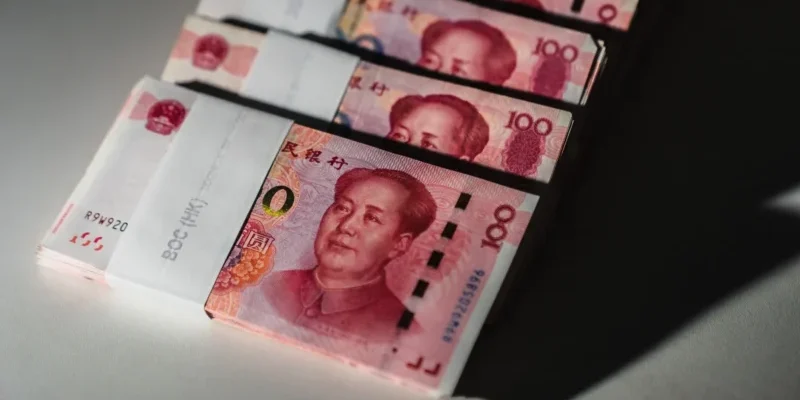
Zambia Becomes First African Nation to Accept Yuan for Mining Taxes and Royalties
Zambia Mining Sector Adopts Chinese Yuan for Taxes, Marking Major Shift in Africa’s Copper Economy
Zambia has become the first African country to formally accept China’s yuan (renminbi) for the payment of mining taxes and royalties, a move that highlights Beijing’s expanding financial influence across Africa’s most strategic resource sectors.
The Bank of Zambia confirmed that payments in renminbi began in October, marking a significant shift in how Africa’s second-largest copper producer manages revenues from its mining industry.
Chinese mining operators in Zambia have started settling part of their tax obligations in yuan, reflecting China’s growing role as both the country’s largest copper buyer and one of its most significant creditors.
According to the central bank, the policy change aligns with Zambia’s reserve management strategy and the structure of its export markets.
A substantial share of Zambia’s copper exports is destined for China, and many Chinese mining companies already receive export proceeds in renminbi.
The Bank of Zambia emphasized that diversifying and strengthening foreign currency reserves remains a key objective, and holding renminbi supports this strategy.
The central bank also noted that yuan holdings reduce the cost of servicing Chinese debt, allowing Zambia to meet its obligations in a more cost-effective manner.
Zambia’s decision comes as several African economies increasingly serve as testing grounds for China’s long-term effort to internationalize the yuan.
Other countries on the continent have explored similar approaches to manage debt exposure and ease pressure on foreign currency reserves.
To support the transition, the Bank of Zambia recently began publishing an official renminbi–kwacha exchange rate, enabling mining companies to choose whether to remit taxes in U.S. dollars or yuan.
This mechanism builds on regulatory measures introduced in 2018 and expanded in 2020, which required mining companies to sell foreign currency to the central bank to help rebuild depleted reserves during Zambia’s debt crisis.
The adoption of yuan-denominated payments in Zambia’s mining sector signals that China’s influence in Africa is increasingly extending beyond trade and investment into the continent’s financial and monetary systems.