DRC Accelerates Energy Sector Reforms with New Projects and World Bank Funding
DRC Secures $250M World Bank Funding, Advances Power Projects to Boost Electricity Supply
The Democratic Republic of the Congo is intensifying efforts to transform its energy sector through new infrastructure projects and strategic financing aimed at expanding electricity access and supporting economic growth.
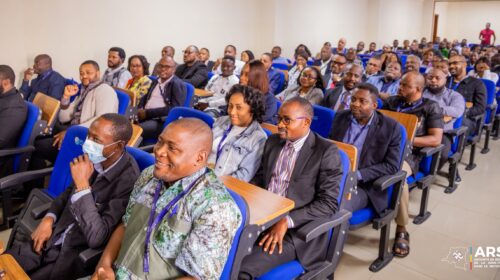
Speaking before the ATI-NTIC Commission of the National Assembly, Aimé Sakombi Molendo, Minister of Hydraulic Resources and Electricity, highlighted key progress, including the commissioning of the Kakobola hydroelectric power plant and the mobilization of major development funding.
A cornerstone of this strategy is the approval of $250 million in financing from the World Bank for the first phase of the Integrated Development Program (PDI3), a broader initiative valued at $1 billion.
The program is designed to strengthen electricity supply, improve infrastructure, and drive long-term economic development.
The commissioning of the 10.5 MW Kakobola hydropower plant marks a significant milestone, particularly for Kwilu Province, where thousands of households have gained access to electricity.
The government aims to replicate such projects nationwide, leveraging the country’s vast hydropower potential, estimated at 167,000 MW across more than 3,000 sites. However, a key challenge remains converting this potential into operational generation capacity.
At the same time, authorities are advancing reforms to improve governance and attract investment into the sector.
These include expanding rural electrification through ANSER, strengthening regulatory oversight via ARE, implementing the Energy Compact to support reforms, and addressing operational and financial challenges linked to SINELAC.
Electricity remains a critical pillar of economic transformation in the DRC, particularly for industrialization and the mining sector, both of which rely heavily on reliable power supply.
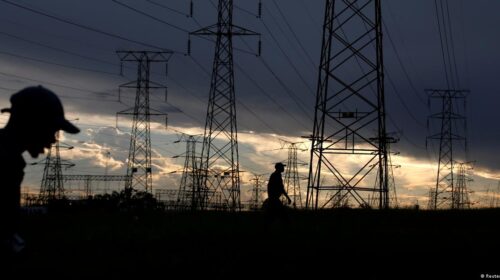
Persistent energy shortages, however, continue to constrain productivity, forcing many businesses to depend on costly alternative energy sources.
Through initiatives such as PDI3 and ongoing infrastructure development, the government is positioning electricity as a key driver of competitiveness and investment.
By combining public funding, public-private partnerships, and structural reforms, the DRC aims to modernize its energy sector and unlock its significant potential for sustainable economic growth.