

Zambia Reaches 80% Financial Inclusion as Digital Services Drive Growth
Zambia Hits 80% Financial Inclusion in 2025 FinScope Survey, Driven by Mobile Money and Digital Finance Expansion
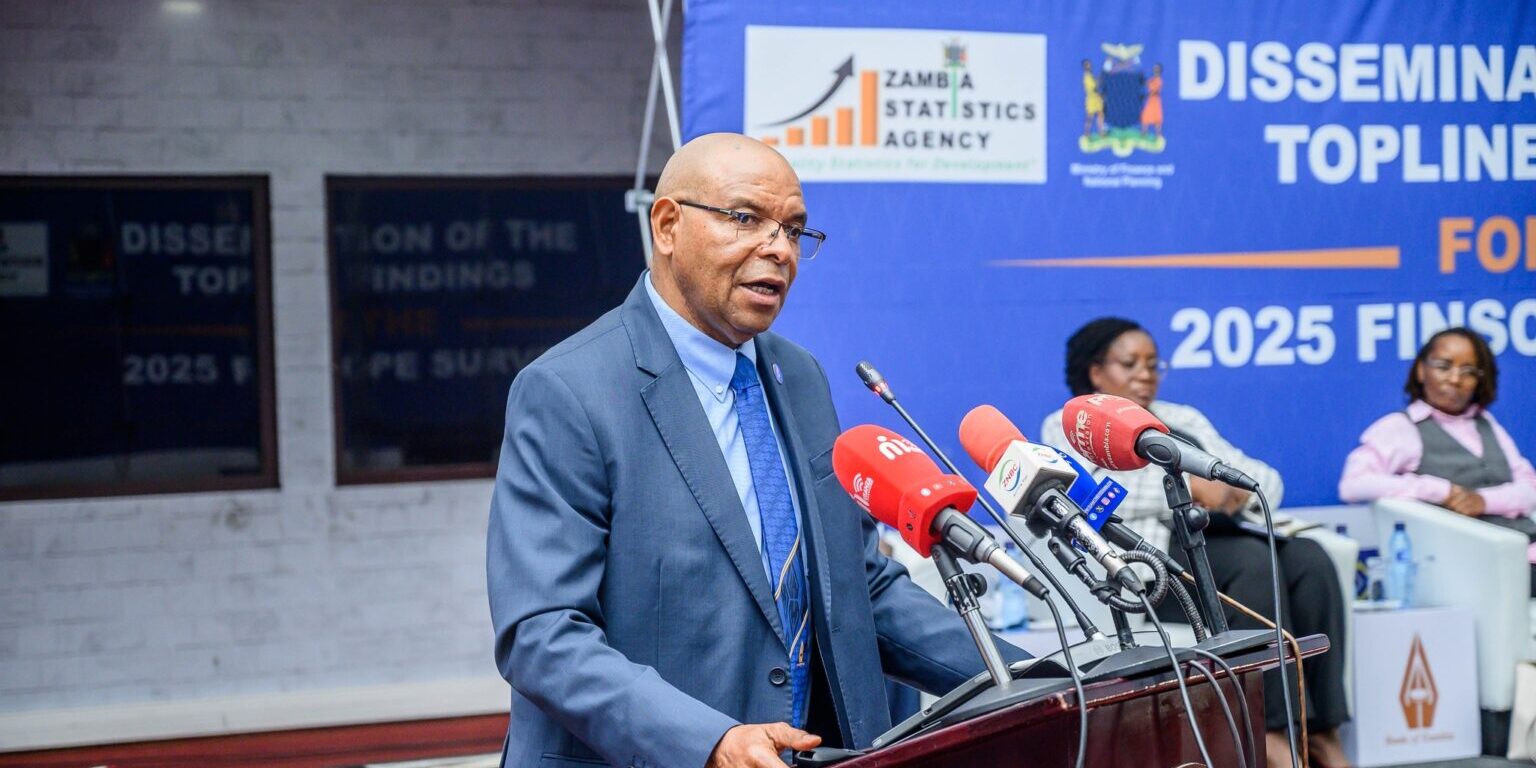
Zambia has reached a significant milestone in financial inclusion, with 80% of adults now accessing formal and informal financial services, according to the 2025 FinScope Survey released by Bank of Zambia Governor Denny H. Kalyalya.
Speaking at the official launch, Dr. Kalyalya described the FinScope Survey as a critical “system-level diagnostic” that provides insight into how individuals and households access, use, and experience financial services in an increasingly digital economy.
The results reflect sustained policy and regulatory reforms over the past two decades, including the modernisation of payment systems, expansion of mobile money and agent banking, proportionate licensing frameworks, strengthened consumer protection, and targeted financial inclusion strategies aimed at underserved populations.
According to the survey, financial inclusion in Zambia has grown steadily—from 33.7% in 2005 to 59.3% in 2015, rising further to 69.4% in 2020, and reaching 80% in 2025.
Dr. Kalyalya also highlighted progress in reducing inequality in access. The gender gap in financial inclusion has narrowed to 2.2 percentage points, down from 3.2 percentage points in 2020, indicating improved participation by women in the financial system.
Rural Gains and Ongoing Challenges
The survey shows notable improvements in rural financial wellbeing, which increased more than threefold from 11.3% in 2020 to 37.6% in 2025. National financial health also rose to 39.1%, though it remains below the 51% benchmark considered moderately healthy.
The Governor attributed these gains to rapid digitalisation, the growth of fintech solutions, and expanded access to digital credit, savings platforms, and mobile financial services.
However, he cautioned that increased access must be matched by meaningful usage, affordability, and strong consumer protection to ensure long-term benefits.
Policy Direction and Financial Stability
Dr. Kalyalya emphasised the link between financial inclusion and financial stability, noting that household financial behaviour provides key insights into broader economic resilience and potential systemic risks.
He said the survey findings will inform regulatory priorities, particularly in payment systems oversight, consumer protection, and market conduct, as Zambia advances toward a more interoperable and digitally integrated financial ecosystem.
He also stressed the need to balance innovation with effective regulation as new financial technologies and business models continue to evolve.
“The FinScope results are not just statistics; they reflect the lived realities of our people,” he said, urging financial institutions, innovators, and civil society to use the data to improve access, affordability, and quality of financial services.
The Bank of Zambia, he added, remains committed to evidence-based regulation, collaboration, and open dialogue to support a more inclusive, resilient, and innovative financial sector.