
DRC Opens Strategic Mineral Projects to U.S. Investment Amid Global Supply Chain Realignment
DRC to Present Strategic Mineral Projects to U.S. as Washington Seeks to Diversify Critical Mineral Supply Chains
The Democratic Republic of Congo (DRC) is preparing to submit a list of strategic mineral projects open to United States investment, as Washington intensifies efforts to reduce its reliance on China-dominated critical mineral supply chains.
Minister of Mines Louis Watum confirmed that the list would be delivered to U.S. authorities this week and would serve as the basis for formal commercial discussions.
He emphasized that the initiative is grounded in standard investment principles and does not involve preferential access or concessional terms for foreign partners.
The announcement was made on Wednesday during the Future Minerals Forum in Riyadh, weeks after Washington and Kinshasa unveiled a bilateral minerals agreement aimed at strengthening cooperation in the extraction and processing of critical resources, without initially identifying specific projects.
The initiative follows a December 4 agreement intended to facilitate greater U.S. participation in the DRC’s vast reserves of copper, cobalt, lithium, and tantalum—minerals that are central to electric vehicles, defence systems, renewable energy technologies, and advanced electronics. The DRC is the world’s second-largest producer of copper and the leading global supplier of cobalt, a key component in battery manufacturing.
Minister Watum underscored that the engagement with the United States would be strictly commercial in nature. He reiterated that while the DRC is open to American investment, projects will be negotiated transparently and on market-based terms, consistent with the country’s mining laws and investment framework.
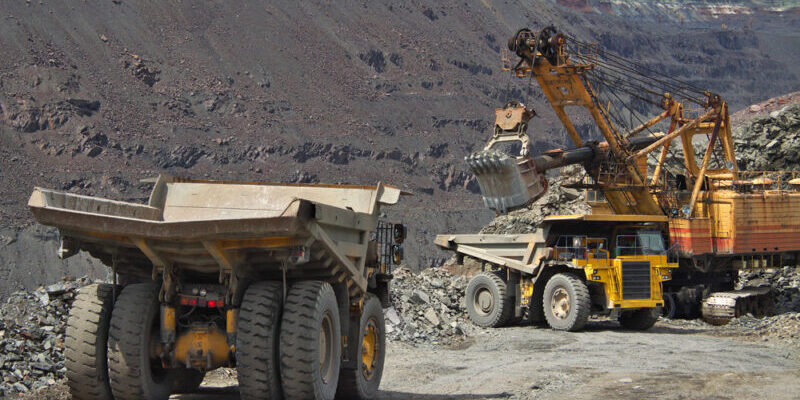
For more than a decade, Chinese companies have dominated copper and cobalt production in the DRC, where the two metals are often extracted together. Firms such as CMOC have significantly expanded their footprint, while many U.S. and Western companies historically remained cautious, citing security risks, governance concerns, and logistical constraints.
Kinshasa now hopes that increased American involvement will help rebalance the sector. In 2007, the DRC granted Chinese mining companies extensive tax concessions extending to 2040 in exchange for large-scale infrastructure investments, a significant portion of which was never fully realized.
During that period, Western governments showed limited engagement in countering China’s growing influence in the Congolese mining sector.
By early 2025, Chinese firms were estimated to control the majority of the DRC’s mining output, including major assets such as the Tenke Fungurume mine, one of the world’s largest sources of cobalt.
The minerals agreement also forms part of a broader U.S.-supported regional initiative aimed at stabilizing eastern Congo and improving security conditions.
Under the framework often referred to as the “Washington Accords,” the United States is supporting regional peace efforts while encouraging responsible foreign investment in the DRC’s resource sector.
Minister Watum described the agreement as a flexible framework intended to deliver mutual benefits, acknowledging that security challenges persist in parts of the country but stressing the government’s commitment to reform, transparency, and investor protection.
The United States has identified dozens of critical minerals as essential to national security and economic competitiveness, many of which are currently supplied predominantly by China. U.S. authorities view diversification of supply—particularly through partnerships with resource-rich countries such as the DRC—as a strategic priority.
Through this initiative, the Democratic Republic of Congo is seeking to reposition itself as a reliable and competitive partner in global critical mineral supply chains, while advancing its broader objectives of economic diversification, value addition, and sustainable development.