
The Human Capital Challenge in Chilean Mining: Greater Female Participation in the Industry
Chilean mining, a fundamental pillar of the country’s economy, currently faces a crucial challenge: the development and effective management of human capital.
The industry’s competitiveness, productivity, and sustainability depend largely on the talent and diversity of its workforce. In this context, the incorporation and expansion of female participation emerges as a strategic priority that requires concrete and sustained actions.
Historically, mining in Chile has been a predominantly male industry, marked by a work culture that, while it has progressed, still presents cultural, social, and structural barriers to the full integration of women.
One of the greatest challenges lies in transforming the organizational culture, promoting more inclusive and respectful work environments that value gender diversity.

To this end, mining companies must implement equal opportunity policies, conduct awareness and training programs on gender and diversity issues, and develop campaigns that dismantle entrenched stereotypes.
Training and specialized technical education must be adapted to facilitate women’s entry and retention in traditionally male roles, guaranteeing safe working conditions and conditions that promote work-life balance.
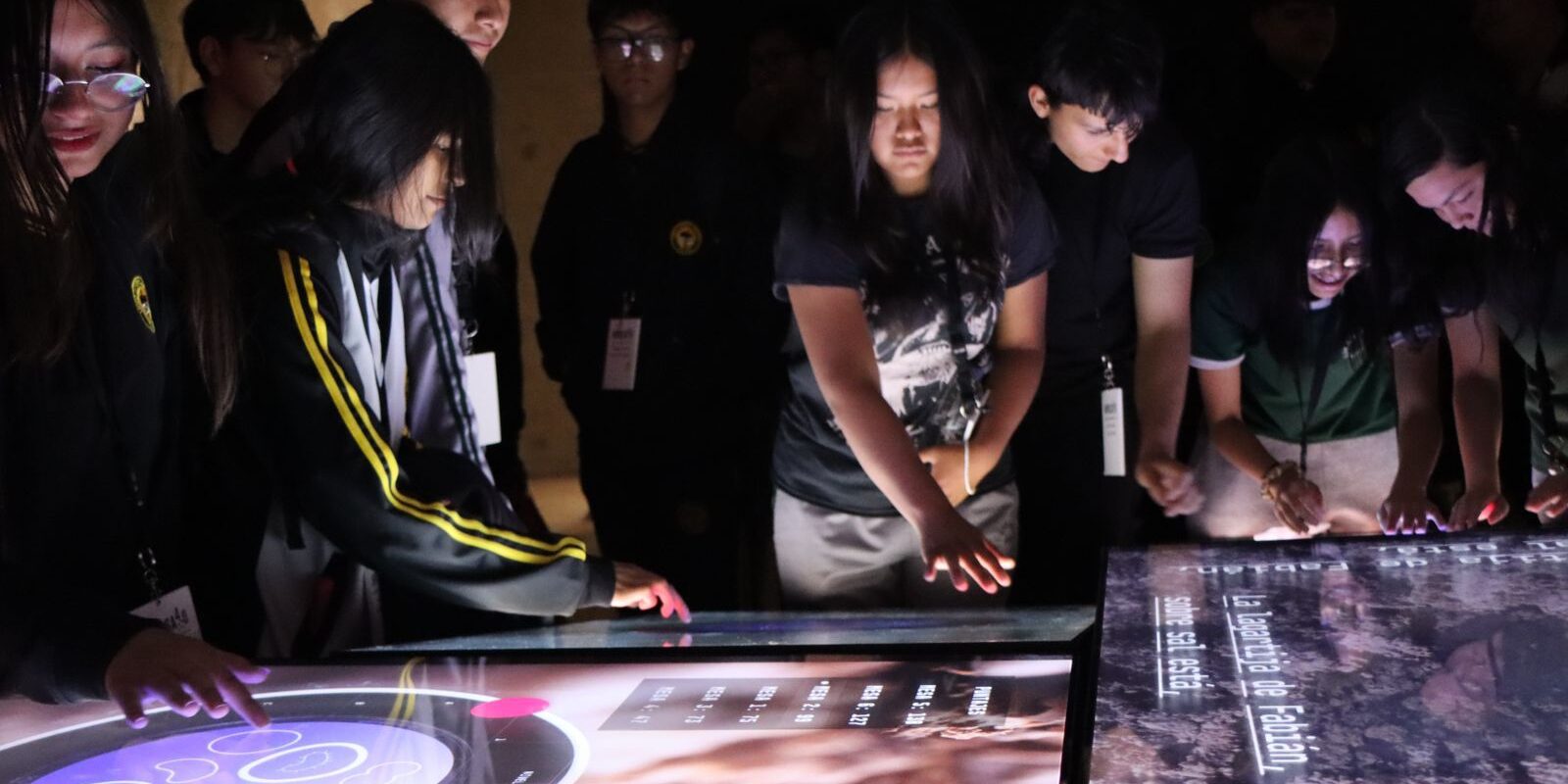
In Antofagasta, Chile, various initiatives are underway to promote STEM education and prepare more young women to study mining-related careers, especially those related to Mining or Industry 4.0, which increasingly demands greater specialization and technological advancement of knowledge.
Infrastructure also represents a physical and logistical barrier for many women, particularly in remote and difficult-to-access areas. Adapting facilities, providing adequate services, and offering support for social integration are essential steps to attract and retain female talent in the mining sector.
Promoting female participation not only responds to principles of equality but also brings economic and competitive benefits. Several studies indicate that companies with greater gender diversity show better results in innovation, decision-making, and job satisfaction.
The inclusion of more women in Chilean mining can mean greater creativity, new perspectives, and better adaptation to changes in the global market.
The government, trade associations, and mining companies themselves must work together to create incentive programs, scholarships, mentorships, and support networks that facilitate women’s training and professional development. Furthermore, it is essential to promote attractive technical and vocational education for young women, highlighting the opportunities and careers in mining.
In conclusion, the human capital challenge in Chilean mining is a task that requires commitment, innovation, and an inclusive vision. Increasing female participation in the industry will not only facilitate a fairer and healthier economy but will also boost the international competitiveness of Chile’s mining sector.
Innovation, sustainability, and social equity must go hand in hand to build a more diverse, resilient, and prosperous mining future for all.
By Agencia Redes
Antofagasta, Chile
Photo credit: Impulsa 4.0 Program, Antofagasta, Chile