
Zambia Returns to Single-Digit Inflation as Currency Strength and Copper Prices Lift Economy
Zambia Inflation Falls to 9.4% for First Time Since 2023 on Strong Kwacha and Rising Copper Prices
Several African economies, including Zambia, which have faced significant economic challenges in recent years, have begun the new year with notable economic improvements.
In a key milestone for the copper-rich Southern African nation, inflation has fallen below double digits for the first time in three years.
Zambia’s annual inflation rate declined to 9.4%, down from 11.2% in the previous month, marking the country’s first single-digit inflation reading since 2023. The improvement signals growing macroeconomic stability following a prolonged period of elevated price pressures.
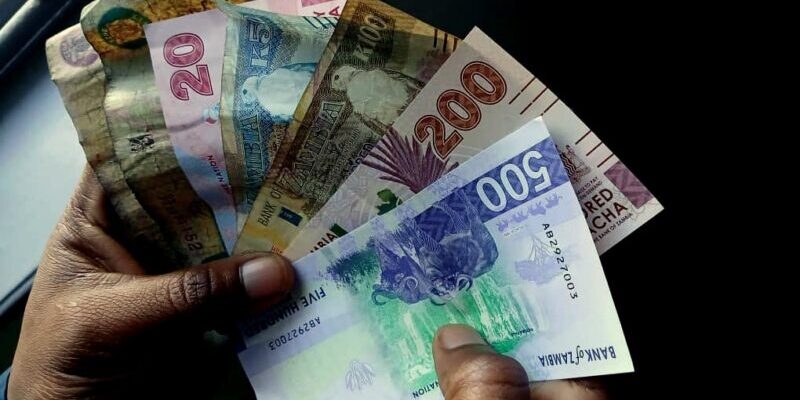
The decline in inflation was largely driven by gains in the Zambian kwacha, which appreciated by approximately 16% against the US dollar.
Acting Statistician-General Sheila Mudenda said the currency’s strength was supported by the central bank’s tighter controls on the use of foreign currency in domestic transactions.
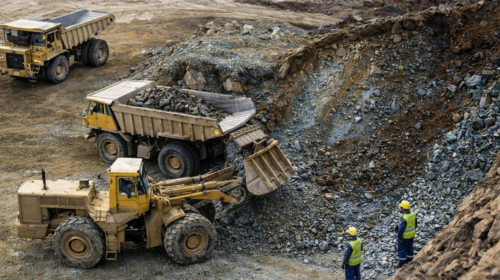
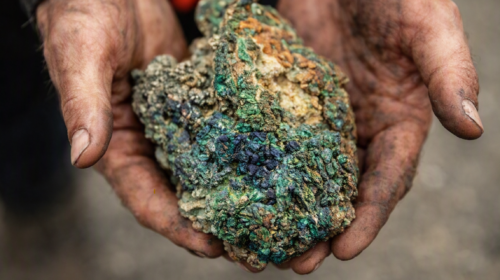
Zambia’s economic recovery was further reinforced by strong performance in the mining sector. Copper, which accounts for about 70% of the country’s export earnings and roughly a quarter of government revenue, provided a significant boost as global copper prices climbed to record highs.
Inflation eased across key categories. Annual food inflation fell to 10.9% in January, down from 12.9% in the previous month. Non-food inflation also moderated, with price increases slowing to 7.3% from 8.7% in December.
The improvement in Zambia mirrors developments in neighbouring Zimbabwe, which has also recently recorded single-digit inflation following years of economic instability.
Zimbabwe’s progress has similarly been driven by tighter monetary policy, improved supply chain conditions, and greater stability in foreign exchange markets.
Zimbabwe’s domestic currency inflation rate, measured under the Zimbabwe Gold (ZiG) framework, fell sharply to 4.1% in January, down from 15% in December and 19% in November 2025, marking a significant turnaround in price stability.
Together, these developments point to a broader trend of improving macroeconomic conditions across parts of Southern Africa, as policy discipline, currency stabilisation, and stronger commodity markets begin to yield tangible results.