
Zambia and DRC Move Closer to Launching Simplified Trade Regime
Zambia and DRC Accelerate Simplified Trade Regime Rollout to Boost Cross-Border Trade and Empower Small Traders
Zambia and Democratic Republic of the Congo have stepped up efforts to operationalise the Simplified Trade Regime (STR), a framework designed to facilitate cross-border trade and support small-scale traders particularly women and youth.
The initiative follows more than seven years of bilateral negotiations, with both governments now in the final stages of implementation.
The STR is expected to streamline customs procedures, reduce administrative barriers, and enable small traders to access preferential tariff rates.
Speaking at the opening of a technical meeting in Chingola, Chairperson Patricia Mwela said the discussions were focused on finalising key aspects of the framework ahead of its official rollout.
“Last February, the DRC and Zambia met to advance this agenda. That meeting set the tone for this engagement, culminating in the planned launch on April 30. We are now in the final countdown to implementation,” she said.
Mwela highlighted that the STR will simplify customs clearance processes for small-scale traders, helping to formalise informal trade, improve compliance, and enhance livelihoods.
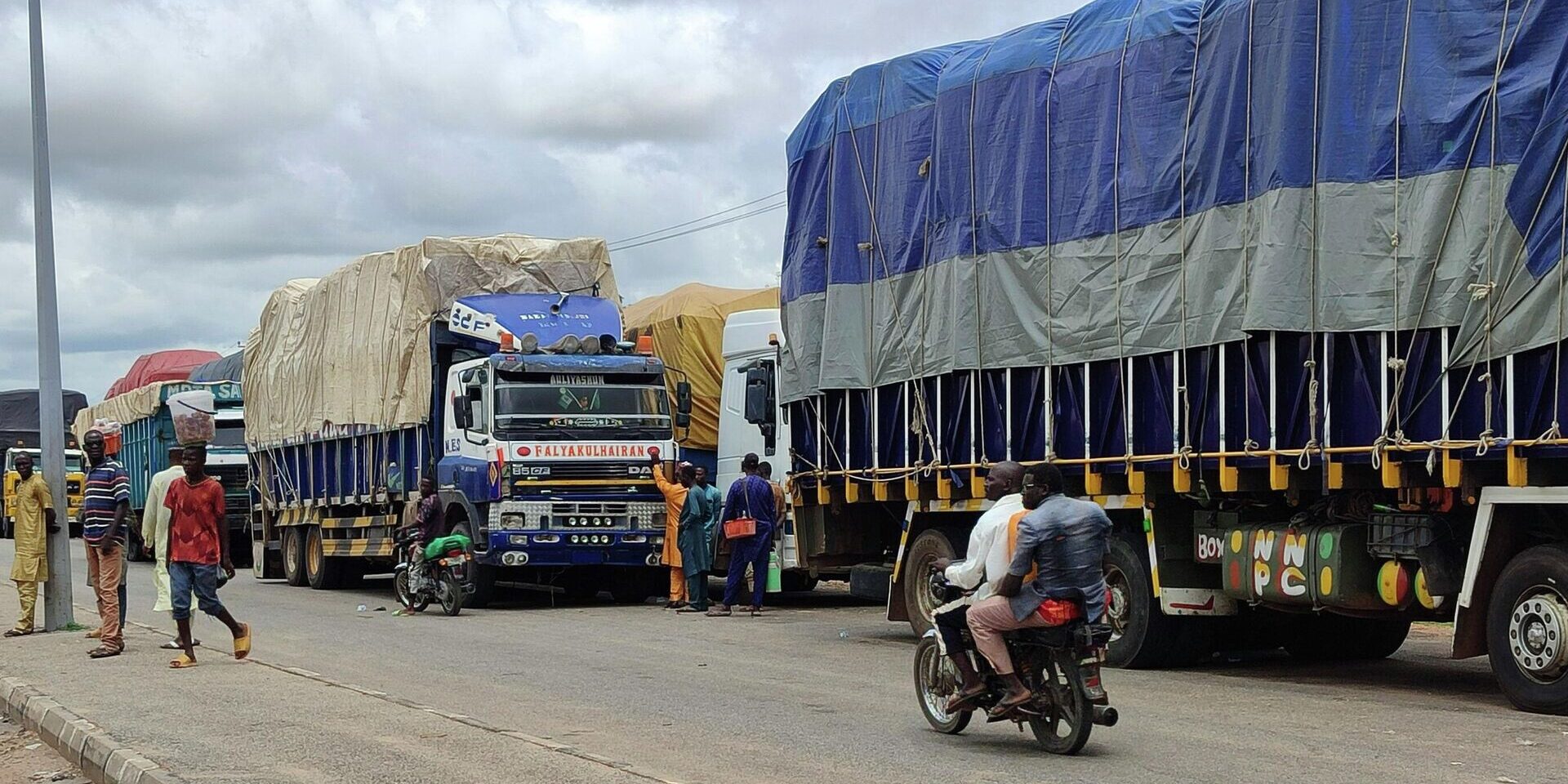
She also pointed to infrastructure improvements, particularly at the Kasumbalesa Border Post, as a critical factor in enabling more efficient cross-border trade.
The three-day technical and ministerial meeting is scheduled to conclude ahead of the official launch of the Kasumbalesa STR on April 30, 2026.
Co-chairperson Laurent Mbuyamba reaffirmed the Democratic Republic of the Congo’s commitment to resolving outstanding issues and ensuring a successful rollout.
“We are approaching this process with an open mind and are ready to implement key recommendations to ensure mutual benefits for both countries,” he said.
A representative from the Common Market for Eastern and Southern Africa (COMESA) noted that the STR is a practical tool for promoting small-scale trade and addressing broader socio-economic challenges such as unemployment and poverty.
By simplifying procedures and reducing costs, the framework is expected to boost formal trade, increase revenue collection, and support economic inclusion.
Meanwhile, Alex Lesa, a specialist under the Facilitating Inclusive, Resilient and Sustainable Trade (FIRST) project, emphasized the importance of inclusive trade policies.
He noted that more than 70% of small-scale cross-border traders are women and youth.
Lesa added that the STR could significantly improve household incomes, strengthen food security, and build resilience among vulnerable communities.
He also reaffirmed the project’s commitment to supporting both governments in implementing the regime in a transparent, efficient, and inclusive manner.