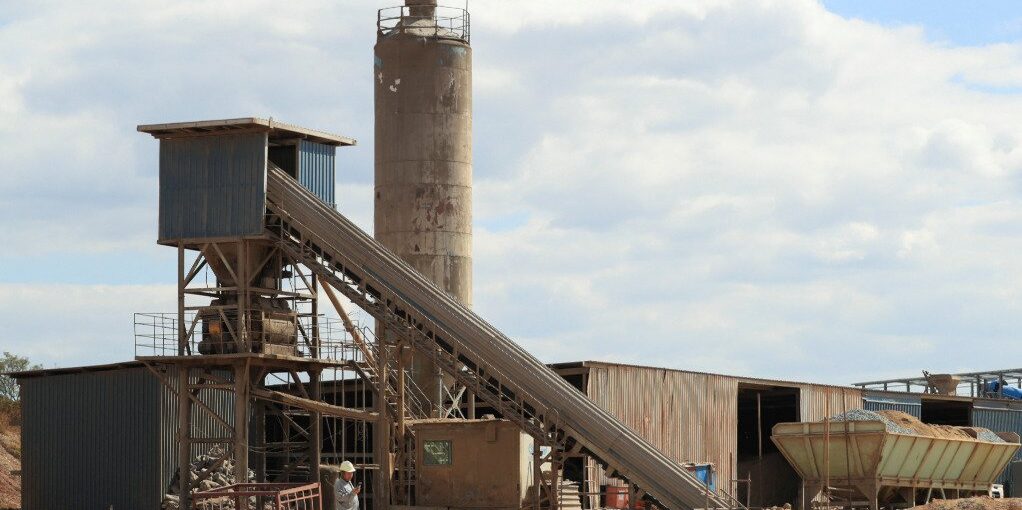
Zimbabwe’s Only Lithium Processing Plant Lacks Capacity to Support Other Miners
Zimbabwe Lithium Export Ban Faces Challenge as Sole Processing Plant Cannot Handle Third-Party Supply
Zimbabwe’s only lithium sulphate processing plant currently does not have the capacity to process lithium concentrates from other mining companies, raising concerns ahead of the country’s planned ban on unprocessed lithium exports.
The plant, operated by Prospect Lithium Zimbabwe, a subsidiary of China’s Zhejiang Huayou Cobalt, can only process material from its own mining operations.
The company said its existing facilities are operating at full capacity and cannot accommodate additional supply from other producers.
Zimbabwe plans to introduce a ban on lithium concentrate exports in January 2027 as part of efforts to encourage local processing, increase mineral value retention and create more jobs within the country.
However, several lithium miners have warned that they may need more time to build processing facilities.
While new plants are under development, only one lithium sulphate plant has been completed so far, leaving limited domestic processing options.
Mining officials have maintained that the deadline will remain in place and have urged producers to accelerate investments in local refining capacity.
Other major lithium producers, including Sinomine Resource Group’s Bikita Minerals and Yahua Group’s Kamativi Mining Company, are developing processing facilities, but these projects are unlikely to be operational before the export restrictions take effect.
Zimbabwe has attracted billions of dollars in lithium investment since 2021, largely from Chinese companies, making the country one of Africa’s most important suppliers of the battery mineral.
The government’s push for local processing aims to capture more value from its growing lithium industry rather than relying on exports of raw materials.