Africa Looks to Critical Minerals as Foundation for Industrial Development
Africa Aims to Use Critical Minerals to Boost Industrialisation and Economic Transformation
African countries are seeking to transform their vast reserves of critical minerals into a foundation for industrialisation, economic growth and greater participation in global supply chains.
For decades, many African nations have exported raw minerals with limited processing taking place on the continent.
However, rising global demand for minerals essential to clean energy technologies, electric vehicles, batteries and advanced industries has created an opportunity for countries to capture more value from their natural resources.
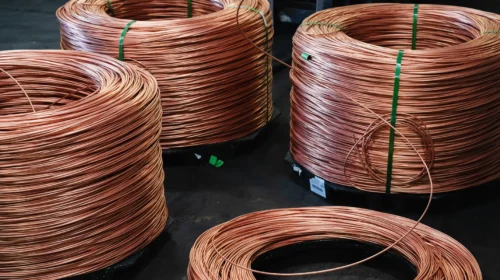
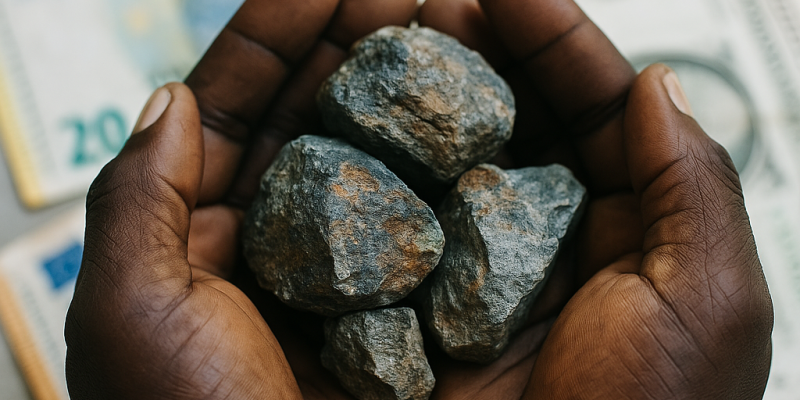
Critical minerals such as cobalt, lithium, copper, graphite, manganese, nickel and rare earth elements are increasingly viewed as strategic resources.
African governments are now pushing for policies that encourage local processing, manufacturing and technology development rather than relying mainly on exports of unprocessed materials.
Moving Beyond Raw Mineral Exports
The shift toward value addition is aimed at ensuring that mining contributes more significantly to economic transformation.
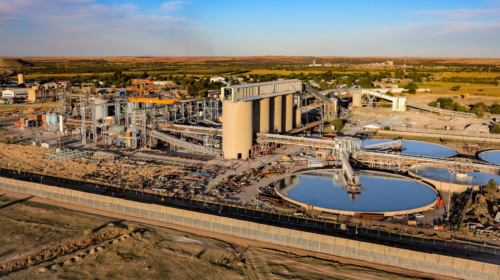
By developing refining, processing and manufacturing industries, African countries hope to create jobs, strengthen local businesses and increase government revenues.
The continent holds some of the world’s largest deposits of critical minerals. The Democratic Republic of Congo is a leading producer of cobalt and copper, Zimbabwe has significant lithium resources, while countries such as Namibia, Mozambique and Madagascar are emerging suppliers of minerals needed for the global energy transition.
However, challenges remain, including limited infrastructure, unreliable energy supply, financing constraints and a shortage of local processing capacity.
Building African Mineral Value Chains
Governments and regional organisations are increasingly calling for stronger cooperation between African countries to develop integrated mineral value chains.
Rather than competing only as exporters of raw materials, countries are seeking partnerships that support mineral processing, battery manufacturing, renewable energy technologies and other downstream industries.
The approach is also aligned with efforts to improve Africa’s role in global supply chains by attracting responsible investment while ensuring that more economic benefits remain on the continent.
Critical Minerals and the Energy Transition
Global demand for critical minerals is expected to increase significantly as countries accelerate investment in renewable energy, electric vehicles and energy storage systems.
Africa’s mineral wealth gives the continent a strategic opportunity to become a major supplier of materials needed for the energy transition.
However, industry leaders warn that success will depend on developing the necessary infrastructure, skills and regulatory frameworks.
By focusing on industrialisation and local value addition, African countries aim to turn mineral resources into a long-term driver of economic development rather than simply a source of raw exports.
The growing focus on critical minerals represents a potential turning point for Africa’s mining sector, with governments seeking to transform natural resources into stronger industries, new jobs and broader economic opportunities.