
Carter Center Forum Calls for Tax Reform to Maximize DRC’s Mineral Revenues
Carter Center Urges DRC to Modernize Tax System and Boost Revenues from Copper and Cobalt for Sustainable Development
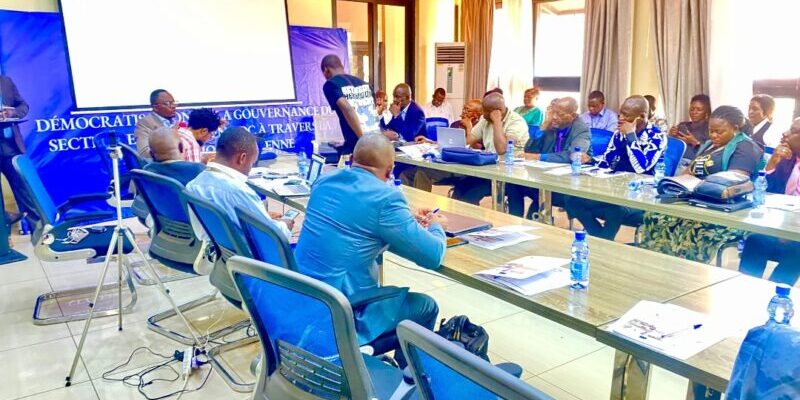
On the sidelines of the 9th edition of the DRC Alternative Mining Indaba Conference, the Carter Center organized a forum on Thursday, October 30, 2025, bringing together civil society actors to discuss strategies for optimizing revenues from strategic minerals to finance sustainable development in the Democratic Republic of Congo (DRC), with a particular focus on the copper and cobalt sectors.
The discussions, facilitated by Baby Matabishi, Fabien Mayani, and Ismaël Tutu, centered on findings from a recent study evaluating the DRC’s mining tax regime, supported by case studies conducted by social actors in Kinshasa, Lubumbashi, and Kolwezi.
Participants identified several key challenges, including poor coordination between tax collection agencies and public authorities, as well as the use of instruments ill-suited to the country’s economic realities.
One example cited was the special tax on excess profits introduced in the 2018 Mining Code, which the government has been unable to collect due to documented implementation difficulties. Participants emphasized the need for a fairer redistribution of mining revenues to improve community living standards.
Additional concerns included the fragmentation of tax documents, overstaffing in tax administrations, and the persistent lack of digitalization within the system.
During the discussions, participants proposed a series of recommendations to complement those outlined in the Carter Center’s study. These included:
Streamlining and modernizing the DRC’s tax system through comprehensive reform and digitalization.
Strengthening citizen participation and improving transparency in revenue collection.
Ensuring the sustainability of the mining sector by financing exploration of new deposits for future exploitation.
Eliminating unnecessary taxes and encouraging long-term planning.
Enhancing revenue mobilization capacities and equipping tax collection services.
Creating a one-stop shop for mining revenue collection.
Allocating royalties from state-owned mining companies to investment projects, including through equity participation in mining ventures.
These recommendations aimed to promote sustainable development in the DRC by optimizing revenues from strategic minerals such as copper and cobalt, ensuring that mining wealth contributes more effectively to national growth and the well-being of local communities.