

Copper Price Surpasses $10,000 Per Tonne, Offering New Opportunities for the DRC
DRC Copper Prices Surge Above $10,000 in September 2025 — Implications for Mining Revenues and Chinese Contract Talks
Copper prices reached US$10,215 per tonne at the end of September 2025, marking a 2.3% increase from the previous week, according to the Central Bank of Congo (BCC).
This rise is largely attributed to disruptions at Indonesia’s Grasberg mine, one of the world’s largest copper operations.
Compared to December 2024, copper prices have surged by 16.2%, representing a 10.9% increase year-on-year.
Significance for the DRC Economy
For the Democratic Republic of Congo (DRC), whose economy depends heavily on mining exports, this upward trend is highly significant. Copper remains a major contributor to Congolese export volumes and revenues.
Higher global prices translate directly into increased export earnings for the state and greater revenues for mining companies. In the short term, this could mean:
Increased tax and customs revenues
Strengthened foreign exchange reserves
Greater monetary stability, provided macroeconomic management remains prudent
Impact on the Chinese Infrastructure-for-Minerals Contract
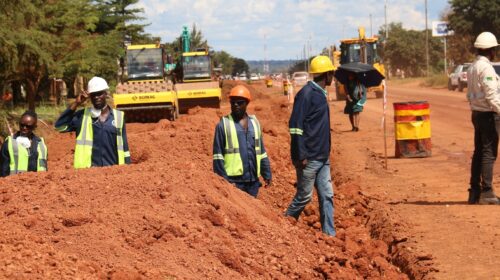
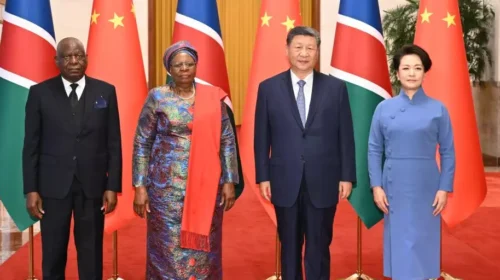
This price surge arrives amid ongoing scrutiny of the 2008 “Chinese contract”, under which Chinese companies built infrastructure in exchange for access to Congolese copper and cobalt.
With copper prices now exceeding US$10,000 per tonne, the value of extracted volumes under this deal has risen significantly. This could potentially accelerate repayment of Chinese investments. H
owever, reports from international bodies have pointed to imbalances, noting that the DRC receives only a small portion of the benefits generated.
The current price rally could give Kinshasa greater leverage in negotiations to revise the terms of this contract, aiming for fairer and more transparent agreements that benefit the Congolese people.
Future Outlook
While this price increase offers new opportunities, it remains subject to global factors such as Chinese demand, supply chain stability, the strength of the U.S. dollar, and shifts in the global energy transition.
For sustained benefits, the Congolese government must pair these short-term gains with long-term reforms to strengthen governance of the mining sector and ensure more equitable wealth distribution.