
DRC Advances Battery Minerals Strategy Through Partnership Talks with ITC
DR Congo Seeks ITC Support to Boost Battery Mineral Processing and Integrate into Global EV Supply Chain
Prime Minister Judith Suminwa Tuluka convened a high-level working session with representatives of the Congolese Battery Council (CCB) and the International Trade Centre (ITC) to structure a strategic partnership aimed at strengthening the Democratic Republic of the Congo’s capacity to process minerals used in electric vehicle (EV) batteries.
The initiative signaled Kinshasa’s determination to accelerate industrialization and move up the global battery value chain.
Technical Support to Target Global Markets
Under the proposed framework, the ITC was expected to provide technical assistance focused on compliance with international standards, certification requirements, and export readiness.
The objective was to enhance the competitiveness of Congolese mineral products and facilitate access to high-value international markets.
The challenge for the Democratic Republic of the Congo was clear: enable domestic firms to integrate more effectively into a global battery supply chain dominated by major industrial economies.
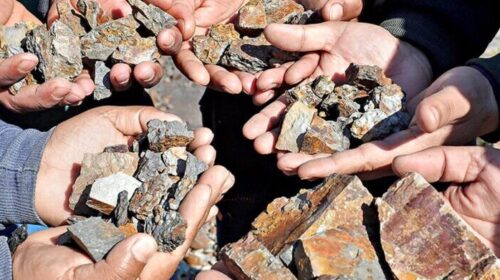
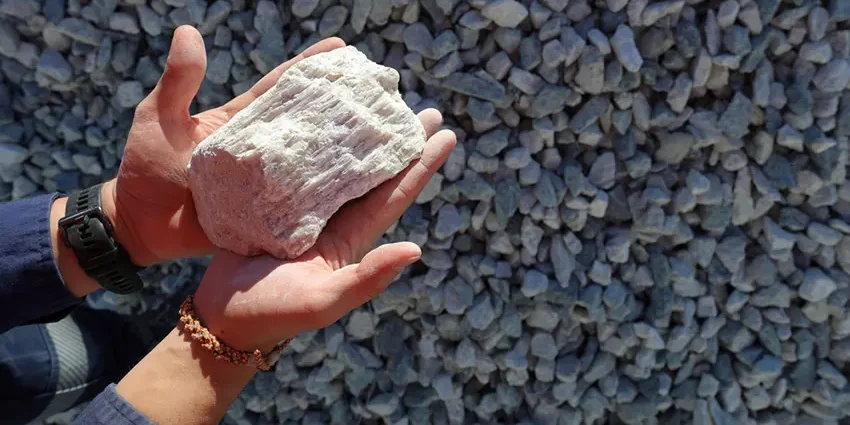
With rising demand for cobalt, lithium, and other strategic minerals driven by the global energy transition, Congolese authorities sought to position the country not merely as a supplier of raw materials, but as a competitive player in value-added processing.
Coordinated, Multi-Sector Strategy
Officials described the program as a cross-sectoral initiative requiring strong interministerial coordination. Key ministries involved included Mines, Energy, Industry, Infrastructure, and Trade.
Discussions emphasized the need to avoid fragmented initiatives and instead implement a coherent industrial policy aligned with national development objectives.
Participants noted that effective coordination would be essential to ensuring that infrastructure development, regulatory frameworks, and investment promotion efforts reinforced one another.
The Congolese Battery Council was expected to play a central operational role, facilitating public-private partnerships, supporting industrial project development, and identifying viable commercial outlets for locally processed battery materials.
Shifting from Raw Exports to Value Addition
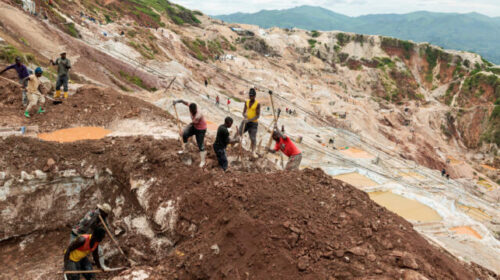
The talks reflected a broader policy shift championed by Prime Minister Suminwa Tuluka: transitioning from an economic model centered on raw mineral exports toward domestic processing and higher value capture.
The Democratic Republic of the Congo was the world’s leading producer of cobalt and held substantial reserves of other critical minerals used in battery technologies.
By strengthening local processing capabilities, the government aimed to capture a greater share of global battery industry revenues while fostering job creation, technology transfer, and industrial diversification.
As global demand for electric vehicles and energy storage systems accelerated, Kinshasa positioned its mineral wealth as the foundation of a more resilient and industrialized economy.