
DRC Central Bank Launches Domestic Gold Purchase Program to Bolster Reserves
DR Congo Central Bank to Buy Artisanal Gold Directly from State Trader to Strengthen Franc and Boost Reserves
The Democratic Republic of the Congo has unveiled a new strategy aimed at reinforcing monetary sovereignty and stabilizing its currency, with the central bank announcing plans to purchase gold directly from a fully state-owned trading company.
The Banque Centrale du Congo (BCC) will begin buying gold from DRC Gold Trading SA, a government-owned entity that aggregates production from artisanal and small-scale miners.
The initiative is designed to channel more of the country’s gold output into official reserves while reducing reliance on foreign exchange assets.
Formalizing Artisanal Output
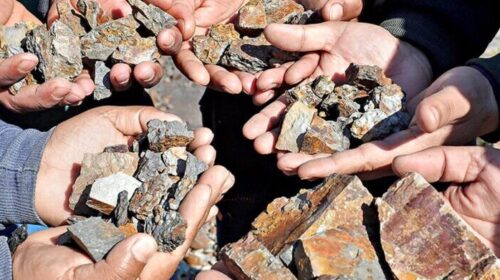
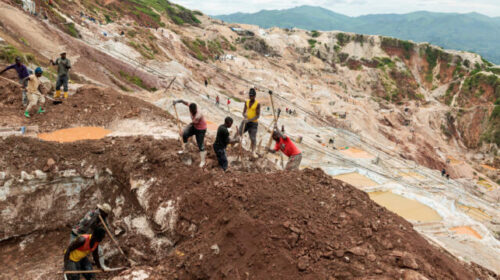
For years, much of Congo’s artisanal gold particularly from eastern provinces such as Ituri and South Kivu has been sold to private traders, with substantial volumes exported informally or smuggled across borders.
As a result, a significant share of national gold production has not been reflected in official export data or central bank reserves.
Under the new framework, DRC Gold Trading SA will consolidate gold produced by hand-dug mining operations and supply it directly to the central bank.
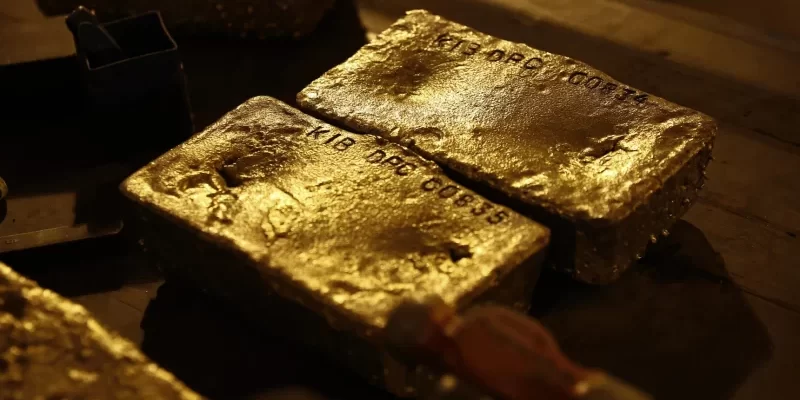
The purchased metal will be converted into monetary reserves, strengthening the BCC’s balance sheet and diversifying its reserve portfolio.
The policy marks the first structured domestic gold-buying program undertaken by the central bank.
Currency Support and Reserve Diversification
Officials say the program is intended to support the Congolese franc by increasing gold holdings and reducing exposure to foreign currencies.
Gold is widely regarded by central banks as a hedge against inflation, currency volatility, and external shocks, making it a strategic reserve asset during periods of uncertainty.
By building reserves with domestically sourced bullion, Kinshasa aims to anchor monetary stability while retaining greater value from its mineral wealth.
Addressing Illicit Flows and Conflict Financing
The initiative also carries a security dimension. Eastern Congo remains affected by armed group activity, including the presence of the M23 rebel group in mineral-rich territories. Informal gold trading has historically contributed to illicit financial flows and, in some cases, conflict financing.
By centralizing purchases through a state-owned trader and formalizing supply chains, the government intends to curb smuggling, improve traceability, and reduce the role of unregulated intermediaries.
Greater transparency in the gold trade could help ensure that revenues benefit the national economy rather than armed actors.
Strategic Shift in Resource Management
DRC Gold Trading SA, initially established through an international partnership and now fully owned by the Congolese state, serves as the formal channel for artisanal gold commercialization.
Its expanded role underscores the government’s broader strategy of leveraging domestic mineral resources as strategic economic assets.
If effectively implemented, the program could increase official gold export figures, strengthen foreign reserve buffers, and enhance investor confidence in the country’s macroeconomic management.
The move aligns the Democratic Republic of the Congo with a growing number of African nations that are incorporating locally produced commodities into their reserve strategies.
As global central banks continue to expand gold holdings to diversify away from foreign exchange exposure, Kinshasa is positioning its own mineral wealth at the core of its monetary policy framework.