
DRC Cobalt Hydroxide Exports Delayed Amid Complex New Quota System
DRC Cobalt Hydroxide Shipments Stalled as New Export Quota System Drives Global Price Surge
The Democratic Republic of Congo (DRC), the world’s largest producer of cobalt—a critical metal for electric vehicle batteries and advanced technologies—is undergoing a major reorganization of its export system.
Despite the official lifting of the export suspension in October 2025, no shipments of cobalt hydroxide have yet left the country, according to Tom Matthews, PhD, senior battery materials analyst at CRU, an international commodity analysis firm.
In its fourth-quarter market outlook, CRU highlighted several key developments. In September, the Regulatory and Control Authority for Strategic Mineral Substances Markets (ARECOMS) ended the total ban on cobalt exports, which had been in place since February 2025, and replaced it with an export quota system per company, effective from October 16.
Under the new system, 18,100 tonnes of contained cobalt are authorized for export in 2025, while the 2026 quota is set at 96,600 tonnes—roughly half of the previous year’s exports. ARECOMS indicated that quotas will be reviewed quarterly in response to market imbalances.
However, the resumption of exports has not translated into shipments. The delay is largely due to a newly introduced 19-step export procedure involving extensive tests, certifications, and approvals from multiple government agencies—a process more complex than initially anticipated. Mining operators and regulators are still finalizing these procedures.
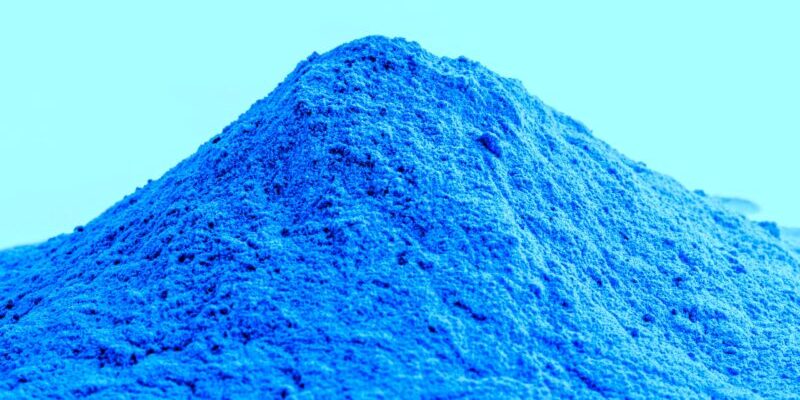
The impasse has significantly impacted global cobalt prices. Since August 2025, cobalt sulfate prices have surged by approximately 90%, while cobalt hydroxide now trades close to the level of pure metal, creating a highly volatile market. Several refiners have begun dissolving metal to maintain supply to production lines, further driving battery costs higher.
Matthews warns that lengthy transit times could extend even further, and significant volumes of cobalt may not reach international markets until April 2026. Price volatility is expected to continue during the first half of next year until exports stabilize.
At the start of 2025, faced with a global oversupply that had driven cobalt prices to their lowest in over two decades—USD 21,000 per ton—the DRC initially suspended cobalt exports for four months to support prices. The ban was later extended for three additional months before being replaced by the current quota system.
This evolving regulatory landscape underscores the DRC’s efforts to stabilize its cobalt market while balancing domestic and international supply pressures, but the complexity of the new system is creating short-term disruption in global markets.