

DRC Extends Six-Month Ban on Conflict-Affected Artisanal Minerals in North and South Kivu
DRC Prolongs Ban on Conflict Minerals From 38 Artisanal Sites to Curb Armed Group Financing
The Democratic Republic of Congo (DRC) has extended for an additional six months its ban on the trade of minerals sourced from dozens of artisanal mining sites in the conflict-affected provinces of North Kivu and South Kivu, the Ministry of Mines announced.
This extension increases compliance pressure on global supply chains for tin, tantalum, and tungsten (3Ts)—critical raw materials used in the electronics, automotive, aviation, and aerospace industries.
Initially imposed in February, the ban remains in force due to new evidence that illegal mineral supply chains continue to finance armed groups in eastern DRC, according to an order dated November 3, signed by Mines Minister Louis Watum Kabamba. The ministry published the directive on social media on Sunday.
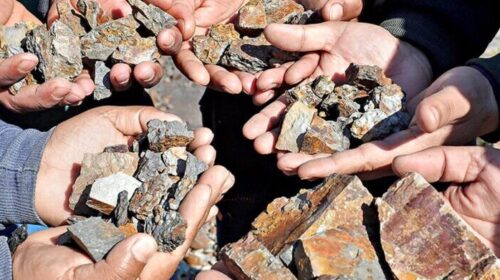
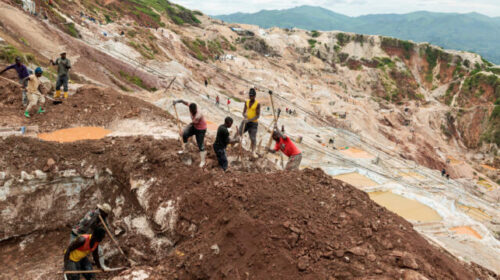
The order targets 38 artisanal mining sites producing coltan, cassiterite, and wolframite—the primary ores used to extract tantalum, tin, and tungsten. The affected sites are located in Masisi territory (North Kivu) and Kalehe territory (South Kivu).
Eastern Congo remains destabilized by Rwanda-backed M23 rebels and numerous other armed groups who have seized significant territories rich in mineral resources. The M23 offensive in 2025 has resulted in thousands of deaths and the displacement of hundreds of thousands of civilians.
For decades, mineral wealth has been widely recognized as a driver of conflict in the region, with armed factions exploiting coltan, cassiterite, gold, and other resources to sustain military operations.
A UN report from December 2024 confirmed that revenues from smuggled minerals continue to support armed group activities, fueling a persistent war economy.
Under the extended order, sourcing and exporting minerals from the banned sites is strictly prohibited. The mining areas may also undergo independent audits by the Ministry of Mines or international organizations, including the United Nations and the OECD, to verify compliance.
The issue has also drawn international legal attention. In 2024, the DRC filed criminal complaints in France and Belgium accusing Apple subsidiaries of benefiting from supply chains involving minerals pillaged from conflict zones—despite Apple’s required disclosures under U.S. law. Apple denied the allegations, stating it had ordered its suppliers to stop purchasing minerals originating from DRC and Rwanda.
U.S. courts have also heard claims against Apple, Google, Tesla, Dell, and Microsoft over alleged reliance on cobalt mined under abusive conditions in the DRC, though those lawsuits were ultimately dismissed.