

DRC Marks Milestone with First 1,000 Tons of Traceable Artisanal Cobalt
Traceable artisanal cobalt hits 1,000 tons in DR Congo, setting a benchmark for ethical mining and supply chain trust
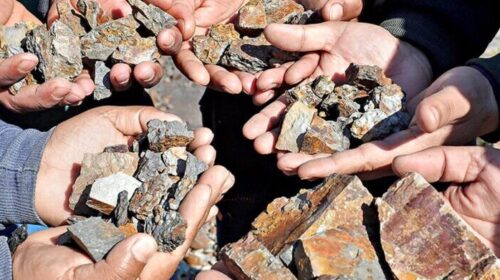
The Democratic Republic of Congo (DRC) has reached a major milestone in formalizing its cobalt sector, producing its first 1,000 metric tons of traceable artisanal cobalt.
This move is seen as a critical step in ensuring a more transparent and ethically sourced supply of the battery metal that powers electric vehicles and energy storage systems worldwide.
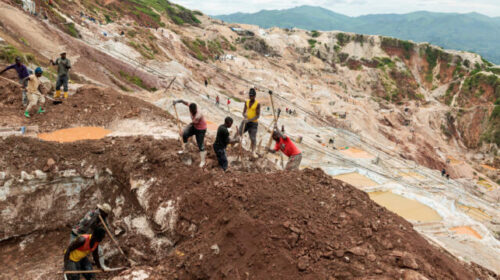
Congo is home to roughly 72% of global cobalt reserves and supplies more than 74% of the world’s cobalt, much of it sourced from informal artisanal mines. Artisanal mining is a lifeline for the country, directly employing an estimated 1.5 to 2 million people and supporting the livelihoods of over 10 million more.
However, unregulated cobalt mining has long posed challenges. Without official oversight, supply is difficult to track and vulnerable to government seizures. This lack of transparency limits the availability of ethically sourced material and drives up prices for traceable cobalt.
To address these issues, the Congolese government introduced export quotas in October following a months-long ban on cobalt exports. Managed by the regulator ARESCOM, the quota system restricts exports and encourages local processing, reducing the incentive to ship raw cobalt abroad.
Entreprise Générale du Cobalt (EGC), a subsidiary of state-owned miner Gécamines established in 2019, celebrated its first 1,000 tons of traceable artisanal cobalt at a ceremony in the mining town of Kolwezi on Thursday. EGC’s traceability model aims to clean up the supply chain and align production with international environmental, social, and governance (ESG) standards.
“The vision is to transform artisanal cobalt into a strategic asset under Congolese control,” said CEO Eric Kalala at the launch. “Every ton purchased by EGC must reflect not only the value of the mineral but also the dignity of those who extract it.”
Global cobalt demand is expected to increase by 40% by 2030, driven by the growing electric vehicle market and energy storage needs, according to the International Energy Agency.
Automakers and electronics companies are increasingly demanding proof of ethical sourcing, pressuring producers to eliminate child labor and unsafe practices.
EGC plans to expand production beyond the initial 1,000 tons, increase refining capacity, and capture a larger share of the artisanal cobalt market, Kalala said. The company has not yet disclosed how the inaugural batch will be marketed or sold.