
DRC Introduces Annual Cobalt Export Quotas to Regulate Supply and Boost Prices
Congo to Launch Cobalt Export Quota System on October 16 to Stabilize Global Supply and Prices
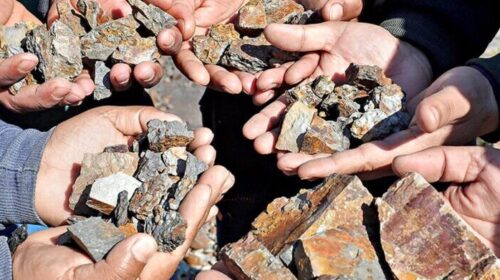
The Democratic Republic of Congo (DRC) will begin allocating annual cobalt export quotas to producers starting October 16, in a major policy shift aimed at tightening market control and curbing oversupply from the world’s leading cobalt producer.
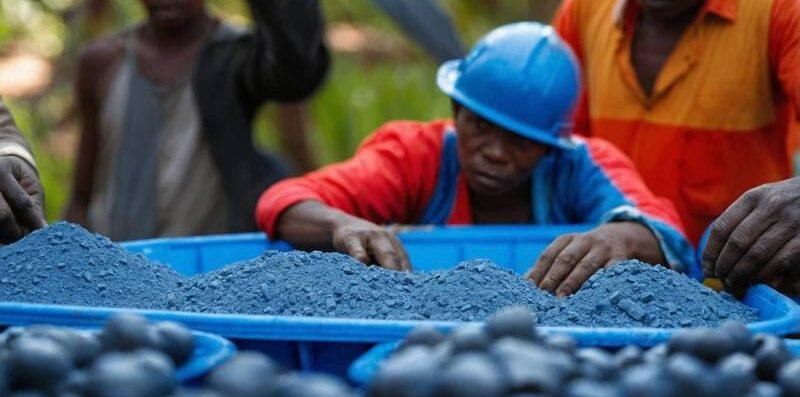
Under the new system, export quotas will be calculated based on production and shipment data from the previous three years. The move replaces a months-long export suspension that disrupted global supply chains and affected electric vehicle manufacturers, particularly in China, the largest consumer of cobalt.
The DRC accounts for more than 70% of global cobalt output, making its regulatory decisions crucial to the stability of the global market for batteries, smartphones, and defense technologies.
Policy Background and Market Impact
The temporary export freeze earlier this year helped drive a sharp rebound in cobalt prices, prompting the government to formalize a quota framework to stabilize the market and increase national revenues.
Cobalt prices have surged to about $19 per pound ($41,890 per metric ton), nearly doubling from February’s nine-year low. The Central Bank expects cobalt revenue to rise sharply in the last quarter of 2025 and into 2026 as exports resume under the new rules.
Industry Reactions
Major producers have expressed mixed views on the policy. Some large mining companies support the quota system as a mechanism to bring transparency and stability to the sector, while others are concerned it could constrain output and disrupt supply chains.
A multi-agency committee comprising representatives from the Presidency, the Ministry of Mines, and the Chamber of Mines is finalizing the allocation criteria, reviewing historical data to determine each company’s quota and eligibility.
Regulatory and Security Context
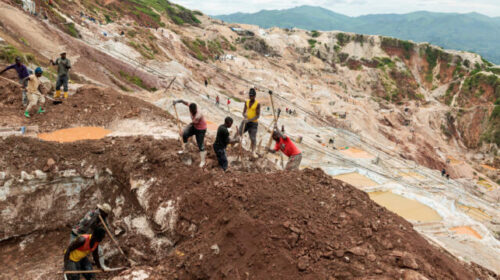
The quota framework will exclude artisanal miners and will not introduce additional licensing requirements for large-scale producers. Smaller operators, however, will still need to apply for export permits and supplementary licenses.
Authorities plan to strengthen oversight at laboratories and loading sites to ensure traceability, prevent smuggling, and reinforce compliance across the supply chain.
The rollout of the quota policy comes amid renewed security challenges in eastern Congo, where clashes between armed groups and the national army have disrupted parts of the mineral-rich region.
Despite these challenges, the government remains determined to restore order, attract investment, and enhance transparency in the mining sector. The quota system marks a decisive step in aligning cobalt production with national economic goals and asserting stronger control over one of the world’s most strategic resources.