
DRC Oil Tax Revenues Surge After Subsidy and Exemption Reforms
DRC Oil Tax Revenue Jumps from 4 to 70 Billion Francs Following Fuel Subsidy Reforms
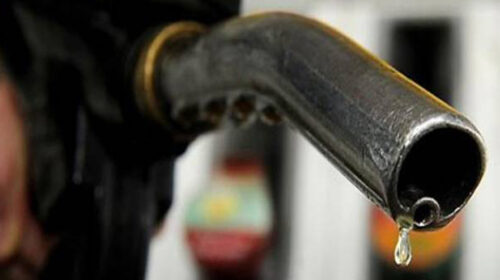
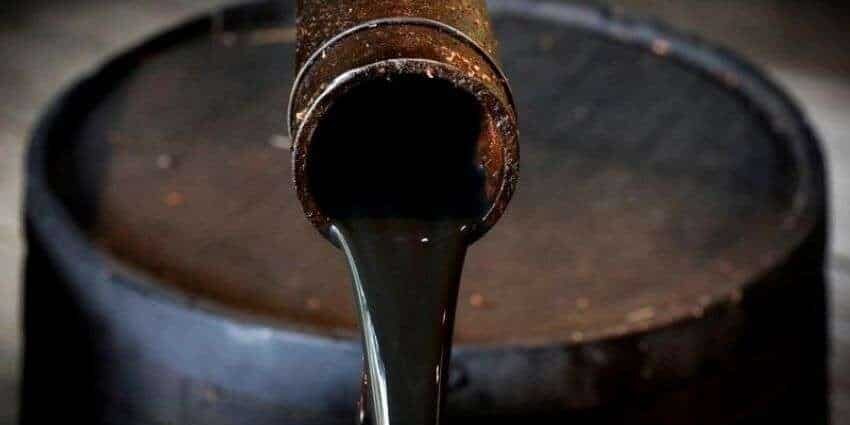
The Democratic Republic of Congo has recorded a sharp increase in monthly oil tax revenues since July 2025, with collections rising from 4 billion to 70 billion Congolese francs.
The surge follows the implementation of tax expenditure reforms targeting the oil sector, according to the Ministry of Finance.
Finance Minister Doudou Fwamba Likunde announced the development during a press conference held on Monday, December 22, 2025, at the Kinshasa Financial Center.
The briefing formed part of a broader presentation on measures introduced to offset declining public revenues.
The press conference focused on the International Monetary Fund’s conclusions from the second review of the Extended Credit Facility arrangement and the first review of the Resilience and Sustainability Facility arrangement, released on December 19, 2025.
Congolese authorities used the occasion to outline progress made under economic reform programs agreed with the IMF, emphasizing transparency and accountability.
Speaking alongside Central Bank of Congo Governor André Wameso and IMF Resident Representative René Tapsoba, the finance minister highlighted the impact of suspending tax exemptions and payment facilities previously granted for the importation of petroleum products. These measures have significantly strengthened oil-related tax collections.
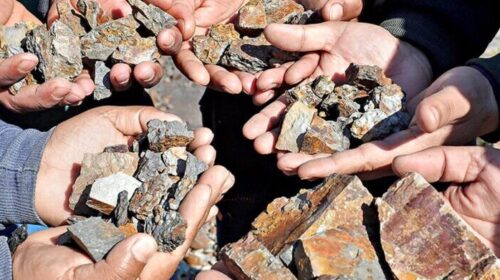
Under the revised framework, mining companies are now required to purchase fuel at market prices and are excluded from the state subsidy scheme.
Subsidies are instead targeted at protecting household purchasing power, reflecting the strategic importance of fuel to the wider economy.
The government plans to deepen the reform. Minister Likunde said discussions are underway to exclude individuals earning more than US$5,000 per month from fuel subsidies, with the objective of preserving and further optimizing oil tax revenues.
Despite a difficult security situation in the eastern part of the country, the Congolese economy has shown resilience. However, the ongoing conflict is increasing pressure on public finances.
In this context, the IMF has recommended maintaining strict fiscal discipline, strengthening coordination between fiscal and monetary policies, and accelerating structural reforms.
According to the National Treasury, the sharp rise in oil tax revenues reflects the government’s sustained efforts, under Prime Minister Judith Suminwa, to consolidate structural reforms and enhance domestic revenue mobilization.