
DRC Records Growth in Power Generation Amid Ongoing Access Challenges
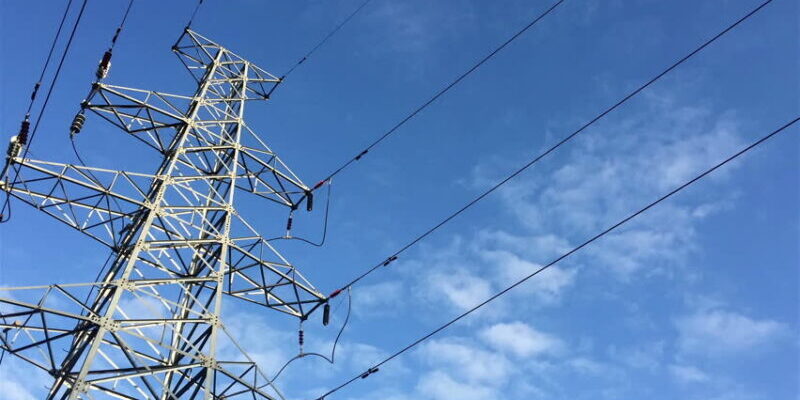
Annual electricity production in the Democratic Republic of Congo (DRC) increased by 9.3% between 2020 and 2024, rising from 12,460.4 GWh to 13,625 GWh, according to a report presented by the Electricity Sector Regulatory Authority (ARE) on Tuesday, June 24, 2025, at the opening of the second edition of Energy Week in Kinshasa.
Over the same period, installed capacity grew from 2,972 MW to 3,647 MW, marking a 22.7% increase—a positive sign of the country’s efforts to strengthen its generation capacity amid rising demand.
In the low-voltage segment, the number of customers served reached 1,496,292 by the end of 2024, a 38.9% increase.
However, ARE did not provide data on how many of these were new connections or the geographical breakdown of access, making it difficult to gauge the true expansion of the electricity network.
Despite these encouraging indicators, civil society organizations are urging caution.
According to ARE estimates, the national electricity access rate stood at just 7.4% in 2024—with rural access below 1%—underscoring the deep structural disparities in the sector.
In a joint statement, organizations including the Economic Governance and Democracy Network (REGED) voiced concern over the gap between production and actual household connections.
“Despite commendable efforts, electricity access remains critically low. Increased production only matters if it leads to real connections for the population,” the statement read.
The CSOs also criticized the underfunding of rural electrification initiatives. A REGED-COREF report highlights that budget allocations for mini-solar power plants amount to just USD 4.9 million across 144 sites—a figure deemed grossly inadequate given the scale of need.
Moreover, structural reforms expected to accelerate progress in the sector are lagging behind. Many observers point to the lack of a coherent governance framework, insufficient coordination between institutions, and the absence of a national energy master plan as key obstacles to meaningful progress.
Marco Kuyu, Deputy Director General of ARE, emphasized the country’s immense energy potential.
“The DRC has one of the highest energy potentials in Africa, with vast hydroelectric, solar, and biomass resources,” Kuyu said. “With over 100 million people, the country represents a massive market.
While current supply is still far below demand, new synergies among operators, manufacturers, and public authorities could pave the way to energy sovereignty.”