
DRC Targets Gold Market Expansion Amid Record Prices and New Investment Plans
Democratic Republic of Congo Seeks to Expand Gold Mining as Prices Surge Above $3,700/oz
Known primarily for its vast copper and cobalt reserves, the Democratic Republic of Congo (DRC) is now seeking to strengthen its position in the global gold market.
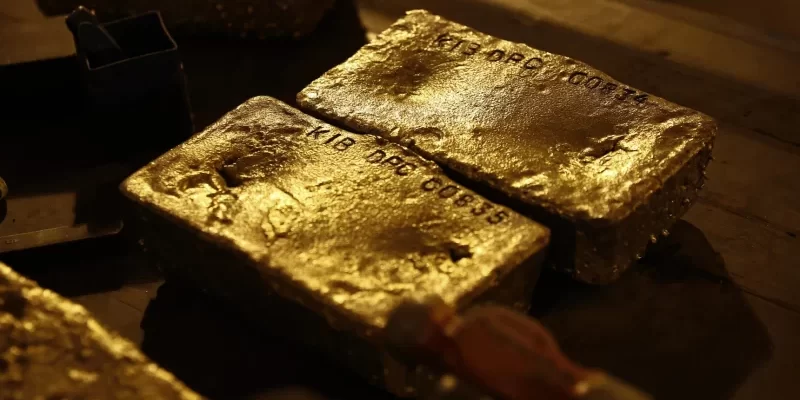
Currently dominated by the Kibali mine, which accounts for nearly 90% of the country’s gold production, Kinshasa is exploring the possibility of opening new industrial gold mines.
This announcement was made by Mines Minister Louis Watum in an interview with Bloomberg on September 25, 2025. The timing coincides with a surge in gold prices, which reached a record high of over USD 3,700 per ounce on September 26, marking a more than 40% increase since the start of the year.
Strategic Push for Expansion
According to Minister Watum, the DRC is in active discussions with several stakeholders, including Barrick Mining, operator of the Kibali mine, as well as new investors eager to tap into the country’s gold potential.
“Many discussions are underway and some deals could be announced soon […]. We are not only talking with existing large mining companies like Barrick. We are also opening new horizons for new entrants,” Watum said.
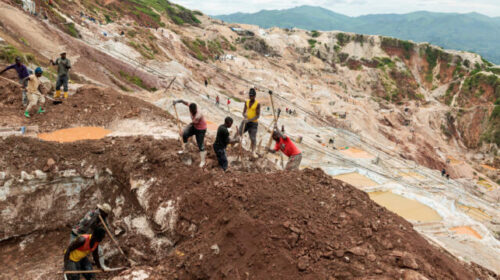
Beyond leveraging high gold prices, the expansion strategy aims to combat significant losses from gold smuggling, estimated at around 60 tonnes annually — a substantial loss in revenue for the Congolese treasury.
Promising Projects Underway
The DRC already hosts several promising gold projects under development:
Adumbi deposit (Loncor Gold): Estimated at 3.66 million ounces of gold resources.
Misisi project (Avanti Gold): Hosts over 3 million ounces of inferred resources.
Experts note that the surge in gold prices is accelerating investment interest.
“It’s the gold rush effect. When prices rise, everyone rushes to find gold,” said Olivier Blagden, analyst at CRU, as quoted by Agence Ecofin.
With high global gold prices and a clear strategy to expand production, the DRC is positioning itself to become a more significant player in the gold sector. This could transform the country’s mining landscape, diversify its mineral portfolio, and substantially increase state revenues while tackling smuggling and illegal mining challenges.