

DRC to Build Gold Reserves to Strengthen Currency and Support Economic Stability
DRC Launches Gold Reserve Strategy as Prices Soar Past $4,000 an Ounce to Bolster the Franc
The Democratic Republic of Congo (DRC) plans to begin building official gold reserves as part of a broader strategy to strengthen the Congolese franc and support economic resilience, according to Central Bank Governor André Wameso.
The move comes amid record-high global gold prices, which surged past $4,000 an ounce this week, marking an increase of more than 50% year-to-date. The rise has been largely driven by heightened central bank purchases worldwide as countries seek to diversify reserves and hedge against currency volatility.
Wameso, who was appointed as central bank governor in July 2025, said the initiative reflects a strategic shift to hold gold alongside traditional hard currencies such as the U.S. dollar.
“Among the first decisions I took was to begin building gold reserves for the central bank, alongside the main hard currency, which is the dollar,” Wameso said in an interview.
Boosting Confidence in the Franc
The DRC, despite being Africa’s leading cobalt and copper producer and the continent’s 10th-largest gold producer, has long relied on foreign currencies for stability. Wameso said gold reserves would help reinforce monetary credibility and provide greater independence from external economic pressures.
“Gold should be the principal source of our economic development through financial and monetary solidity,” he said.
The governor did not specify the target volume for gold accumulation or the timeline for purchases but said the country’s potential was significant.
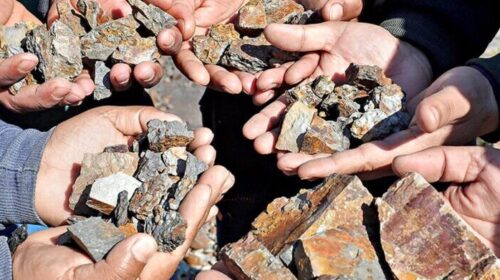
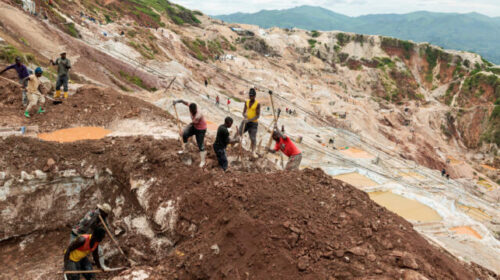
The DRC produced just over 40 metric tons of gold in 2024, though a substantial portion from artisanal miners is believed to be traded illicitly through neighboring countries, depriving the state of vital revenue.
Part of a Continental Trend
Congo’s move aligns with a growing trend among African central banks to increase gold holdings. Ghana, Tanzania, and Nigeria have recently expanded their domestic gold reserves, while Rwanda, Burkina Faso, and Namibia are also taking similar steps. Zimbabwe even launched a gold-backed currency in 2024.
Wameso said accumulating gold would not only stabilize the franc but also enhance its credibility in regional and international trade, particularly under the African Continental Free Trade Area (AfCFTA) framework.
“This will not only strengthen the franc but also allow it to be traded internationally, backed by reserves in gold as well as dollars,” he explained.
Economic Pressures and Policy Outlook
The DRC’s public finances have come under strain amid renewed conflict in the eastern provinces, which has increased defense spending and disrupted mineral production.
Wameso noted that recent monetary policy adjustments, including a cut in the benchmark lending rate, were designed to support domestic credit and stimulate growth.
“If inflation continues to decline, we will further lower the key interest rate to finance the economy in Congolese francs,” he said.
The International Monetary Fund (IMF) has urged Congo to rebuild foreign exchange reserves and adhere to fiscal discipline under its ongoing lending program. Wameso said recent appreciation of the franc was helping the central bank replenish dollar reserves more efficiently.
“Now that banks are seeking francs, we are able to buy dollars at a better rate and rebuild our reserves,” he added.