
DRC, Zimbabwe and Nigeria Announce New Mineral Beneficiation and Value-Addition Plans at African Mining Week
African Mining Leaders Unveil Bold Value-Addition Strategies at Ministerial Forum
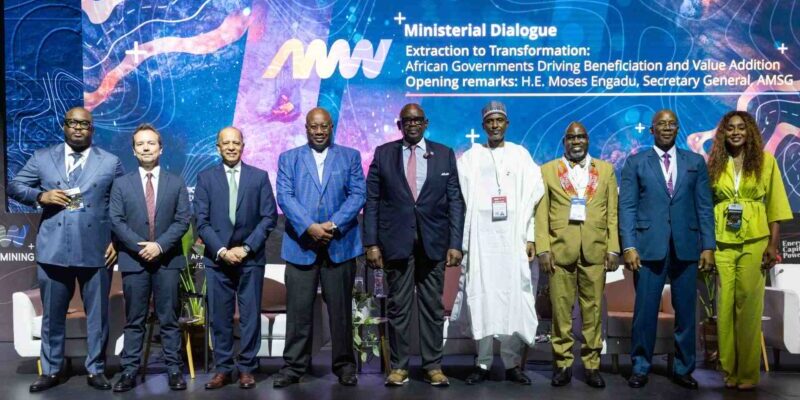
Mining leaders from the Democratic Republic of Congo (DRC), Zimbabwe, and Nigeria have outlined ambitious strategies to accelerate mineral beneficiation and value addition at the African Mining Week Ministerial Forum.
DRC Targets Global Copper Leadership
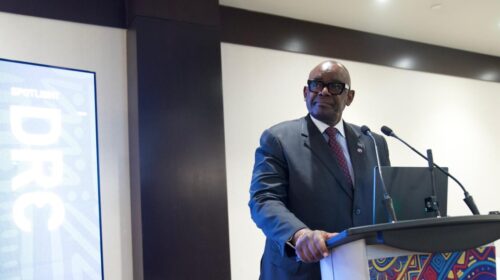
Louis Watum Kabamba, Minister of Mines for the DRC, revealed that the country is prioritising the creation of special economic zones (SEZs) to attract investment and industrial participation. A new “one-stop shop” for fiscal processes is being developed to streamline capital inflows and technology transfer.
Kabamba also highlighted the DRC’s investment in artificial intelligence (AI) to modernise exploration and production, particularly in lithium and copper.
“In copper production, we are currently second to Chile, but we want to be first,” he said.
Zimbabwe to Commission New Base Metal Refinery
Zimbabwe’s Minister of Mines and Mining Development, Winston Chitando, announced plans to commission a new base metal refinery within two years. With the world’s second-largest platinum reserves, Zimbabwe is positioning its mineral wealth to stimulate employment creation and local manufacturing.
To drive beneficiation, the government is establishing three industrial parks in Hwange, Beitbridge, and near Harare.
“Exporting raw ore from a landlocked country does not make economic sense. We must ensure beneficiation translates into real economic value,” Chitando remarked.
Nigeria Eyes $1 Billion Mining Economy by 2030
Nigeria is targeting the creation of a US$1 billion mining economy by 2030, according to Yusuf Farouk Yabo, Permanent Secretary at the Ministry of Mines.
Reforms are underway to modernise the Mining Act of 2011, ensuring alignment with private-sector investment needs. Nigeria is also investing in digitisation across the mining value chain—from exploration data to mineral traceability systems.
“We want to guarantee that Nigerian minerals can be traced from mine to market. This ensures all sources are formalised and transparent,” Yabo explained.
A Pan-African Push for Value Addition
Together, these initiatives highlight Africa’s growing determination to move beyond raw mineral exports, focusing instead on beneficiation, industrialisation, and long-term economic value creation within the continent.