
FQM Expands Skills Development to Address Zambia’s Artisan Shortage
Zambia’s mining industry is entering one of its most ambitious phases, with government targets set to reach three million tonnes of annual copper production by 2030.
Achieving this milestone will require not only investment in new mines but also a steady supply of skilled technicians and artisans capable of operating and maintaining the advanced machinery that defines modern mining.
Yet one of the most pressing challenges is the shortage of qualified and competent artisans.
At Kansanshi Mining PLC— 80% owned by FQM and 20% owned by ZCCM-IH —the shortage has become particularly visible.
Global mining companies are aggressively recruiting Zambian artisans trained in Kansanshi’s world-class environment.
Rather than viewing this challenge as a threat, Kansanshi has chosen a proactive path: building Zambia’s next generation of artisans through competence-based, hands-on training designed for modern mining operations.
Understanding the Global Pull
Mining companies across Africa, Australia, Canada, Saudi Arabia, and most recently the Democratic Republic of Congo are recruiting aggressively. They seek artisans who can handle modern mining systems, high-tech processing facilities, and advanced safety procedures—all competencies Kansanshi artisans gain daily.
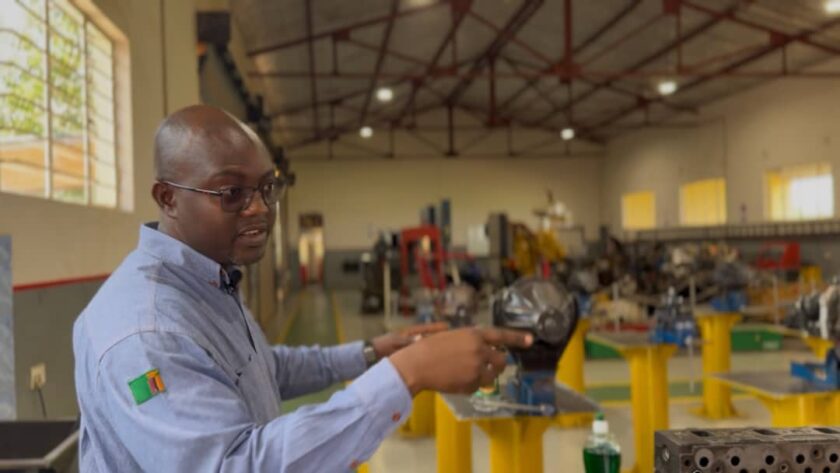
“We are a very high-tech mine, and as such our artisans become marketable globally because of the exposure they get from our advanced operations,” explains Webby Makoloni, Training Superintendent at Kwambula College an FQM training facility for artisans and technicians “The more advanced the mine, the more desirable its workforce becomes internationally.”
Makoloni adds: “Our technology, our systems, our work culture and ethics make our artisans marketable and often poached. It’s an irony: success attracts competition.”
Instead of resisting global demand, FQM has accepted a reality of modern mining—skilled workers are mobile. The solution is not holding onto workers, but developing more, faster, and better.
Expanding Capacity: Building More Space for More Artisans
One of the biggest solutions being implemented is the expansion of training facilities at Kwambula College. The company is investing heavily in infrastructure to recruit more students from surrounding communities, with the long-term goal of supplying both Kansanshi and Trident (Sentinel and Enterprise mines in Kalumbila) with homegrown technicians and artisans.
“We’re expanding our facilities so that we can increase enrollment and develop more artisans,” Makoloni said. This expansion is not simply about numbers—it’s about ensuring a sustainable talent pipeline for future mining operations.
FQM’s approach rests on long-term investment, not temporary interventions. The company understands that global recruitment pressure will continue, so growth in training capacity must be continuous, strategic, and scalable.
Hands-On Training as the Standard
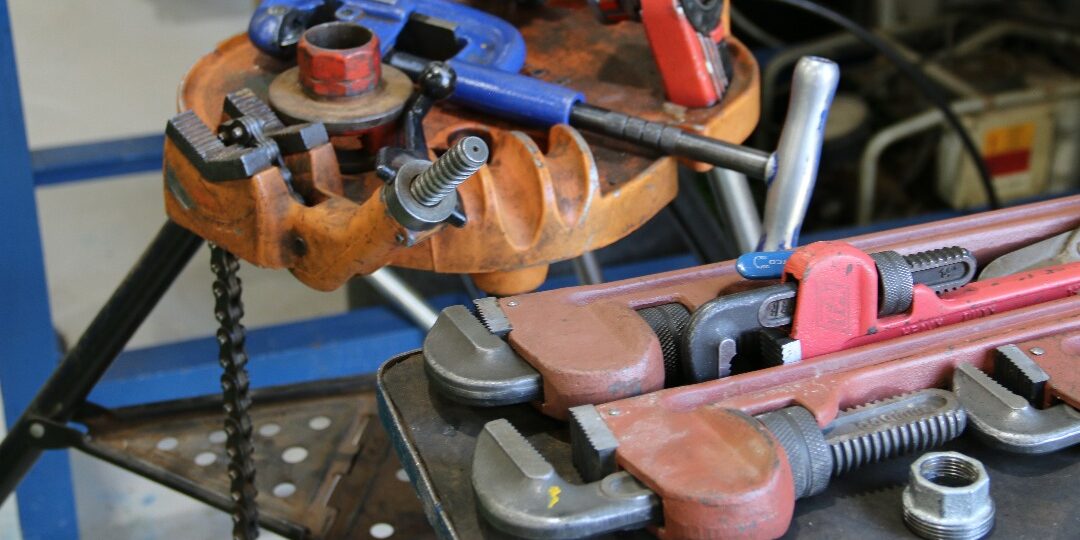
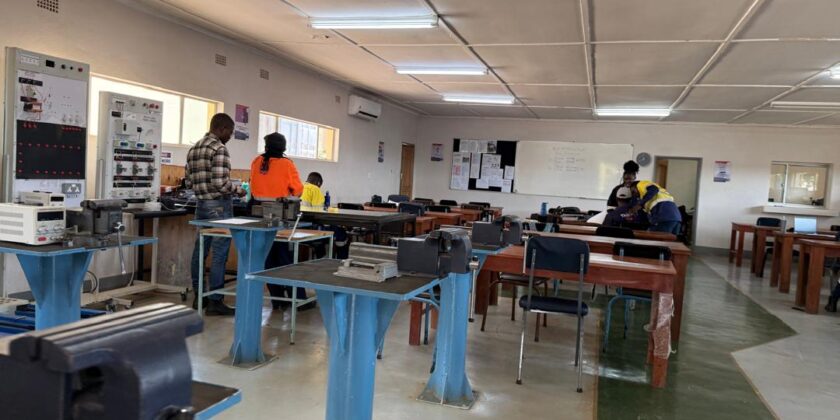
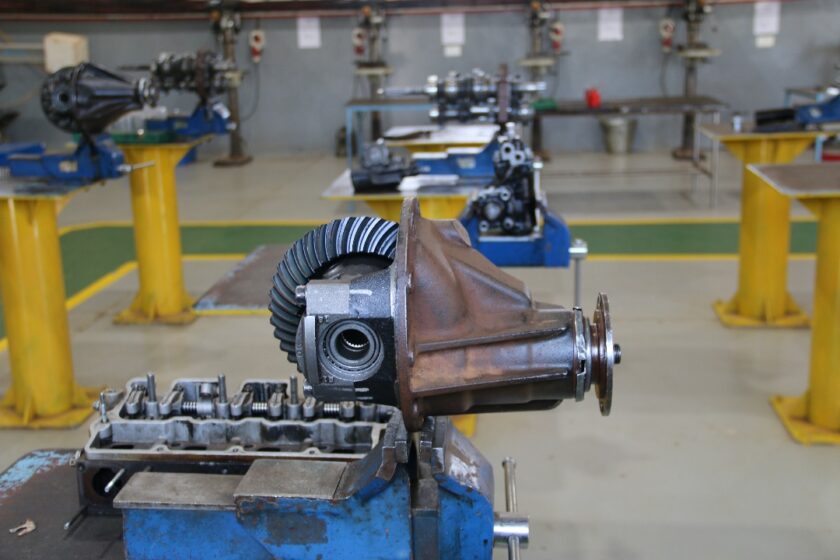
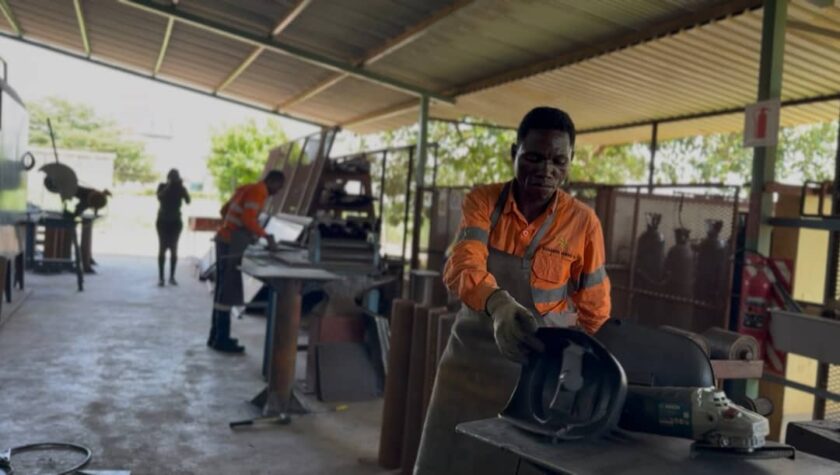
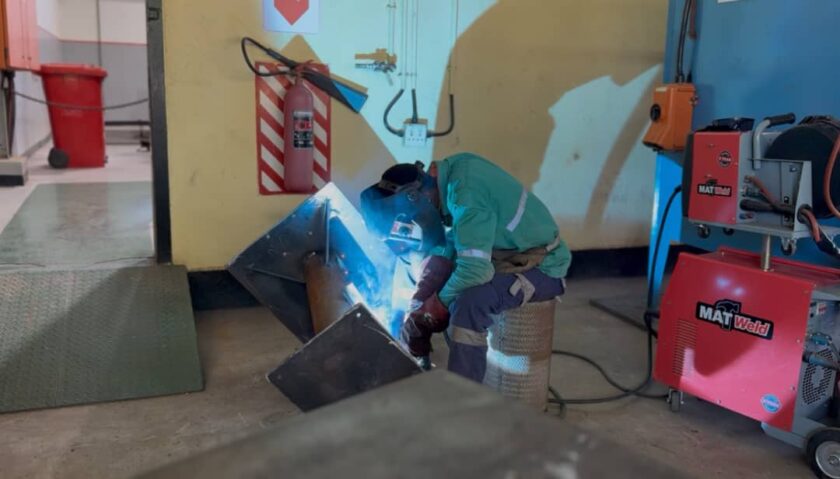
Unlike institutions that focus heavily on theory, Kwambula College has positioned competency-based training, hands-on training at the core of artisan development. The philosophy is simple but powerful: “Show me you can do it and not what you can remember or memorize.”
There is no emphasis on merely memorizing procedures without the ability to apply them. Students are expected to demonstrate full practical competence in the workshop, field, and mine plant environment.
“It’s 100% hands-on,” Makoloni emphasizes. “There’s nothing like getting something 90% correct. Either you know how to do it—or you don’t.”
This approach ensures that graduates arrive job-ready, capable, and competent—ideal for such high-performance environments like Kansanshi’s mining operations.
Rigorous Selection: Investing in Quality from Day One
Kwambula has also implemented a carefully designed student enrolment process that prioritizes capability, potential, and employability. The process includes:
- Minimum educational qualifications
- Aptitude tests
- Academic potential assessment
- Rigorous Interviews
- Medical checkups such as silicosis tests
- Psychometric evaluations etc.
This systematic approach ensures that students admitted into the program have strong foundational capabilities and are likely to succeed as full-time employees.
“Ultimately, the people that we absorb into the program end up as our employees, so we must get it right from the start,” Makoloni explains.
Partnering With the Nation: Supporting TEVETA’s Transformation
One of Kansanshi’s most strategic initiatives is collaboration with the Technical Education, Vocational and Entrepreneurship Training Authority (TEVETA). Kansanshi is sharing its training model to help TEVETA reshape national standards.
“TEVETA is in the process of transitioning the country’s trade schools to competency-based training,” Makoloni notes. “For them to do that, they have to work closely with us to replicate what we are doing here.”
This means Kwambula’s training systems are not only benefiting FQM but they are also supporting the country’s entire vocational training landscape. The long term goal is national skills transformation, not just internal upskilling.
Aligning With Zambia’s Copper Ambition
Zambia’s target of three million tonnes of copper requires more than geological resources—it requires skilled manpower.
“We can only achieve that target if we develop the adequate skills we require as a country,” Makoloni says.
With more young people trained to global standards, Zambia can operate, expand, and sustain modern mines long into the future.
Giving Opportunity to Local Youth
Expanding training intake also means that more young people from Solwezi and surrounding communities gain access to high-tech training that can transform their lives and careers. Many of these students may eventually work globally—but they start locally, gain experience at home, and carry skills that uplift Zambia’s human capital profile.
Future-Focused, Not Defensive
Perhaps the most impressive element of Kansanshi’s approach is its long-term outlook. Instead of reacting to departures, the mine anticipates them. Instead of fearing global competition, it competes through excellence. Instead of hiring skills externally, it builds them from within local community.
This mindset makes Kansanshi not only a major mining operation, but also one of the country’s most impactful artisan development institutions.
The artisan shortage is real but so is the solution. Kansanshi Mining PLC has chosen a proactive, invested, and future-focused approach: expanding training facilities, raising competence levels, collaborating with national institutions, and preparing the country for long-term mining sustainability.
FQM isn’t simply filling vacancies it is building a stronger workforce, a stronger mining industry, and ultimately, a stronger Zambia.
About Kwambula
Kwambula is a technical training facility established by First Quantum Minerals (FQM) through Kansanshi Mining PLC in Solwezi, Zambia. It provides industry-focused skills training in partnership with the Government of Zambia and TEVETA.
Kwambula offers fully sponsored, three-year craft certificate programs, including a monthly stipend, combining one year of classroom learning with two years of practical training at Kansanshi Mine. Graduates are highly employable, with many recruited by Kansanshi and other mining operations.
Courses include Heavy Equipment Repair, Mechanical Fitting, Power Electrical, Metal Fabrication, Instrumentation, Auto-Electrical, and a planned Rigging program.
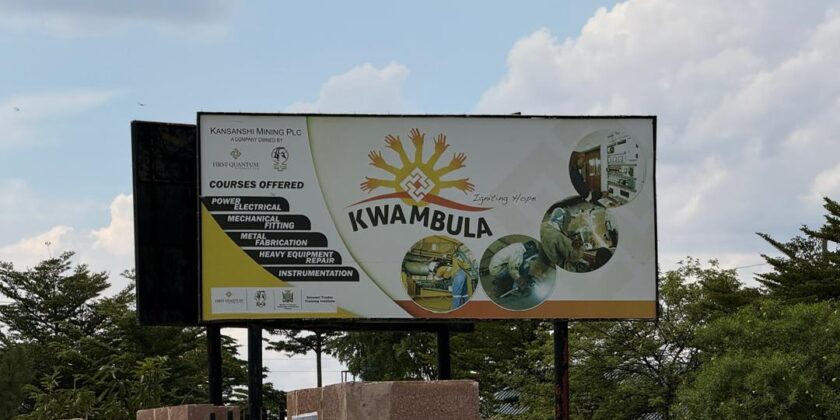
“Kwambula,” meaning igniting hope in Kikaonde, reflects the institute’s mission to empower young Zambians with relevant technical skills and improve livelihoods through employment in the mining industry.