

Ghana Hits Record 6 Million Ounces of Gold in 2025 Amid Royalty Reform Debate
Ghana Gold Output Reaches Record 6 Million Ounces in 2025 as Royalty Overhaul Raises Industry Concerns
Ghana produced a record six million ounces of gold in 2025, according to provisional industry data, cementing its position as Africa’s top gold producer.
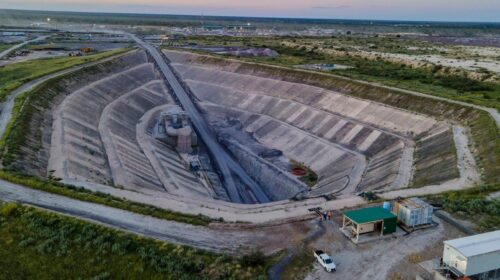
Figures released by the Ghana Chamber of Mines show that large-scale mining operations delivered 2.9 million ounces, unchanged from the previous year.
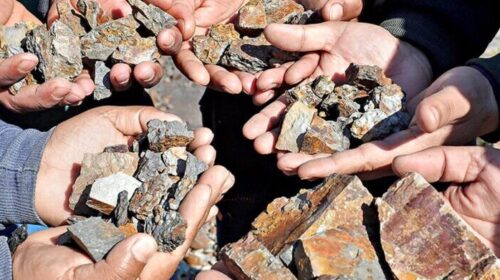
The bulk of growth came from artisanal and small scale mining (ASM), which rose to approximately 3.1 million ounces, buoyed by strong bullion prices and sector reforms.
2026 Growth Target at Risk
The industry projects gold output could increase to 6.5 million ounces in 2026, supported by new projects and planned mine expansions.
However, mining executives have cautioned that the government’s proposed overhaul of the mineral royalty regime could jeopardise that outlook.
Accra plans to replace the current fixed royalty rate with a sliding scale ranging from 5% to 12%, linked to international gold prices.
The reform is intended to enable the state to capture a greater share of windfall revenues during periods of elevated commodity prices.
While the government has agreed to reduce an existing levy to facilitate the transition, mining companies argue that the proposed royalty band remains excessive and may discourage capital investment. Unless amended or withdrawn, the new regime could take effect within weeks.
Kenneth Ashigbey, Chief Executive of the Ghana Chamber of Mines, said the 2025 performance exceeded expectations largely due to the expansion of the ASM segment, highlighting its growing role in national output.
Push for Value Addition
In parallel with royalty reforms, Ghana has intensified efforts to retain more value domestically by initiating local gold refining for artisanal and small-scale production.
The policy shift aims to formalise supply chains, enhance traceability and increase fiscal returns.
The strategy mirrors broader trends across resource rich African economies seeking to strengthen domestic beneficiation and maximise mining-derived revenues.
Central Bank Rebalances Reserves
Separately, the Bank of Ghana has reduced the share of gold in its international reserves by 51%, equivalent to approximately 18.6 tonnes.
The central bank said the adjustment reflects a portfolio rebalancing decision, as gold previously accounted for about 40% of total reserves well above the conventional benchmark range of 20% to 25%.
The move signals a strategic shift toward increasing foreign-currency holdings to improve liquidity and reserve diversification.
Together, record production, fiscal reform debates and reserve reallocation underscore Ghana’s evolving approach to managing its gold sector at a time of elevated global prices and heightened competition for mining investment.