
Glencore Suspends Major Horne Smelter Investments Amid Regulatory Uncertainty
Glencore Halts $1-Billion Horne Smelter Upgrade Over Quebec Regulatory Dispute
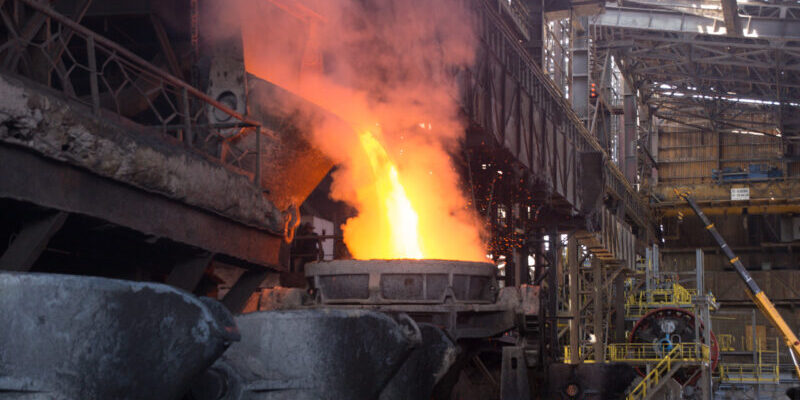
Glencore Canada has suspended major investments at its Horne smelter in Rouyn-Noranda after failing to reach an agreement with the Quebec government by its self-imposed January 31 deadline regarding long-term operating conditions.
The company announced it is “forced to immediately suspend all investments related to emissions reduction and facility upgrades” and to implement a demobilisation plan at the smelter. Investments at its CCR refinery in Montréal Est will also be scaled back over the medium term.
Negotiations with provincial authorities, ongoing since mid 2025, aimed to secure regulatory certainty for continued operations, but no agreement has been reached. Glencore COO Marc Bédard cited the uncertainty as the main obstacle to further investment.
“Our employees deserve clear direction for the future. We have explored every option in good faith. Protecting jobs and maintaining operations remain priorities, but the conditions needed to move forward are not in place,” Bédard said.
Glencore had planned nearly $1 billion in investments over five years, including roughly $300 million for emissions-reduction projects. The company stressed that committing such funds without regulatory clarity would be irresponsible.
Key conditions for proceeding include adjustments to its current Ministerial authorisation for realistic emissions-reduction implementation and confirmation of a stable regulatory framework, including retention of the 15 ng/m³ arsenic target.
While discussions remain unresolved, Glencore remains open to alternative mechanisms, including financial arrangements, to reduce short-term investment risks.
“It is very disappointing to face potential closure when we are confident the Horne smelter’s operations are safe for the community,” Bédard added. “Our immediate priority is supporting our teams and communicating transparently with employees and partners.”
The company highlighted recent progress, noting that average arsenic levels at the Horne monitoring station fell 46.5% between 2022 and 2024. In 2024, 99% of Rouyn-Noranda’s urban area recorded levels at or below the 15 ng/m³ target.
The smelter continues to operate under its current authorisation, but Glencore warned that suspending the projects could make it difficult to meet stricter environmental targets set for March 2027. The company said it would reassess the situation in the coming months.