
Glencore Warns of Cobalt Stockpile Build-Up Amid Prolonged DRC Export Ban
Glencore May Be Unable to Sell Cobalt in 2025 Due to Congo Export Ban
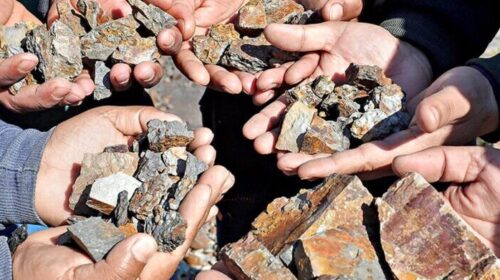
Glencore (LON: GLEN), the world’s second-largest cobalt producer, issued a warning on Wednesday that a substantial portion of its cobalt output may remain unsold by the end of 2025, citing ongoing export restrictions in the Democratic Republic of Congo (DRC).
The DRC, which produces the majority of the world’s cobalt, imposed a four-month export ban in February 2025 after prices plunged to a nine-year low.
In June, the Congolese government extended the ban by an additional three months, aiming to stabilize the market and implement a new quota-based system for allocating export rights among mining companies.
“The extension of the export ban is expected to significantly tighten cobalt availability and accelerate inventory drawdowns, providing support to prices,” Glencore stated in its first-half earnings report.
As a result of the ban, Glencore has been stockpiling all cobalt output from its operations in the DRC.
The company previously declared force majeure on some cobalt deliveries earlier this year. While Glencore did not disclose the volume of unsold material, it stated that it remains financially conservative, forecasting no material financial impact even if sales do not resume in 2025. Any potential resumption of exports, the company added, would be considered an upside.
Despite the restrictions, Glencore’s cobalt production rose 19% year-over-year in the first half of 2025, reaching 18,900 metric tonnes.
The company has also increased its full-year production guidance to between 42,000 and 45,000 tonnes, up from 38,200 tonnes in 2024.
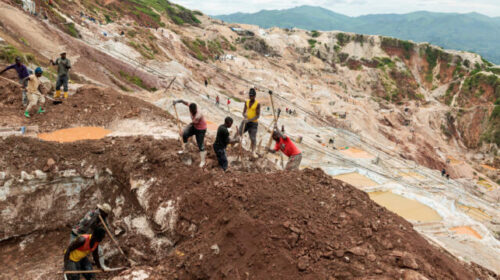
In 2024, Glencore produced a total of 35,100 tonnes of cobalt from its operations in the DRC, where cobalt is primarily extracted as a byproduct of copper mining.
Cobalt prices plunged to record inflation-adjusted lows in January, driven by a surge in Congolese supply and sluggish demand from the electric vehicle (EV) sector, which has surpassed aerospace and aviation as the largest consumer of the metal.
Market analysts expect that the continued export restrictions could eventually help support prices, although near-term uncertainty remains high.
In a separate update, Glencore signaled it may divest its 16.4% stake in Bunge Global, the agribusiness giant formed through Bunge’s $34 billion merger with Glencore-backed grain trader Viterra.
“The agriculture business is not necessarily consistent with our business model,” said Glencore CEO Gary Nagle during Wednesday’s earnings webcast.
“Having a 16.4% shareholding in Bunge is probably not something that would be for Glencore in the long term.”
While no immediate action was announced, the statement marks the strongest indication yet that Glencore may be preparing to exit the agribusiness sector, allowing it to refocus on core operations in metals and energy trading.