
IMF Praises Zambia’s Economic Progress Under Extended Credit Facility Programme
IMF Commends Zambia’s Economic Growth and Reform Efforts Following ECF Review Mission
An International Monetary Fund (IMF) mission has concluded its visit to Zambia after assessing the country’s progress under the Extended Credit Facility (ECF) programme.
The mission, led by Ms. Mercedes Vera Martin, met with government officials, private sector representatives, civil society organisations, and development partners between 22 October and 4 November 2025.
In a statement issued at the end of the visit, Ms. Vera Martin described discussions with the Zambian authorities as “constructive and productive,” highlighting the government’s commitment to economic reforms supported by the ECF programme.
Zambia’s Economy Shows Resilience and Growth
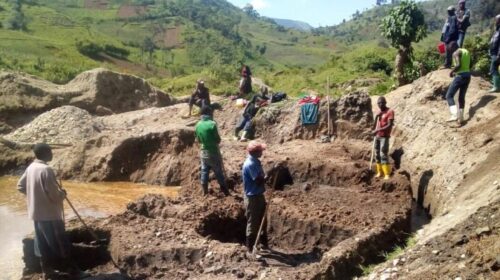
The IMF team commended Zambia’s economic resilience despite the challenges posed by last year’s drought. The country recorded a strong maize harvest and robust mining production, which helped sustain growth momentum.
According to IMF estimates, real GDP growth reached 3.8% in 2024 and 4.5% during the first half of 2025. Growth is projected to rise to 5.2% in 2025 and 5.8% in 2026, reflecting improved agricultural output and continued strength in the mining sector.
Inflationary pressures have eased, supported by declining fuel and food prices, a stronger kwacha, and tight monetary policy by the Bank of Zambia.
Macroeconomic Stability Strengthens
Preliminary data indicate a current account deficit of 2.0% of GDP in the first half of 2025, mainly due to lower official grants and higher import volumes. Nonetheless, liquidity conditions have improved, investor demand for government securities remains strong, and private sector credit growth continues to support key sectors such as manufacturing, agriculture, and energy.
Progress in Structural and Governance Reforms
The IMF mission acknowledged Zambia’s progress in implementing legislative and institutional reforms. Key achievements include:
Strengthened financial sector supervision;
Improved governance of state-owned enterprises;
Enhanced anti-corruption measures;
Policies to promote competition and boost private sector participation in agriculture;
Progress on implementing the open-access framework for the Tazama pipeline.
Commitment to Sustainable Growth
Ms. Vera Martin reaffirmed the IMF’s support for Zambia’s reform agenda and welcomed the authorities’ continued commitment to policies that preserve macroeconomic stability and promote inclusive growth.
“Maintaining this reform momentum will be essential to rebuilding economic buffers and ensuring that the benefits of renewed stability reach all Zambians,” said Ms. Vera Martin.
The IMF expressed appreciation for the Zambian authorities’ cooperation and noted that follow-up discussions will continue virtually in the coming weeks before the findings are presented to the IMF Executive Board.