
Kamoa Copper and the Global Race for Supply: Can the DRC Turn Strategic Advantage into Sustainable Development?
Mining Indaba 2026: Robert Friedland Warns of Global Copper Shortage as DRC’s Kamoa-Kakula Emerges as Strategic Linchpin
At the 2026 edition of Mining Indaba in Cape Town, Canadian mining entrepreneur Robert Friedland delivered a stark assessment: the world is heading toward a structural copper deficit and “the answer is Africa.”
As Founder and Co-Chairman of Ivanhoe Mines, Friedland is not a distant commentator. He is a central actor in one of the most significant copper developments of the decade: the Kamoa-Kakula complex in the Democratic Republic of the Congo (DRC).
His message was clear: copper is no longer just a commodity. It is strategic infrastructure. The open question is whether the DRC can convert this strategic relevance into long-term national transformation.
Copper as Strategic Infrastructure
The 2026 Mining Indaba evolved beyond a sector gathering into a geoeconomic forum. Discussions reflected a structural shift in how copper is perceived within global markets.
Mass electrification, electric vehicle expansion, smart grids, AI-powered data centers, and renewable energy systems are converging to drive sustained demand growth.
According to Friedland, meeting projected global needs would require bringing online a copper asset comparable in scale to Kamoa-Kakula approximately every two years until 2050.
This projection underscores a structural imbalance between supply pipelines and anticipated demand.
Declining ore grades globally, permitting delays, capital intensity, and geopolitical fragmentation further constrain new development.
Against this backdrop, large-scale, high-grade deposits with expansion capacity such as those in the DRC acquire systemic importance.
Kamoa-Kakula: From Mining Asset to Geostrategic Node
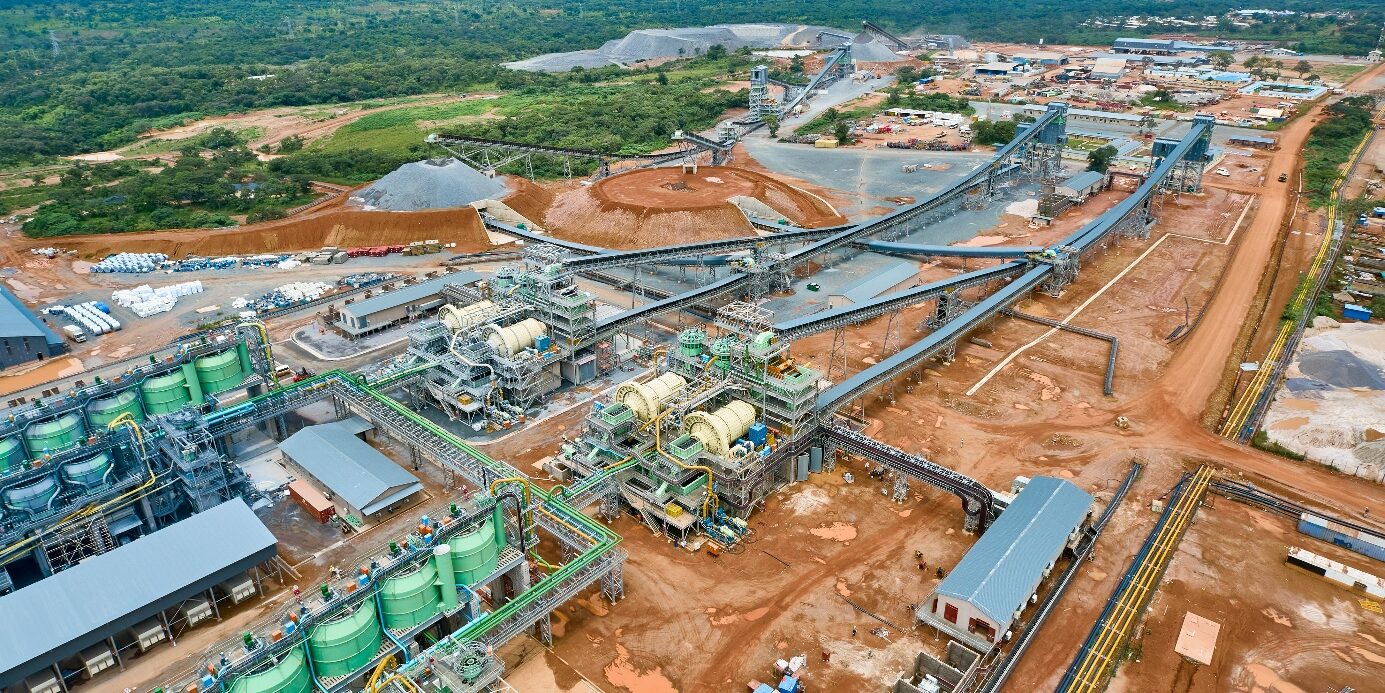
Located in Lualaba Province, the Kamoa-Kakula complex operated through Kamoa Copper SA is widely recognized as one of the highest-grade and fastest-growing copper operations globally.
The project structure itself reflects the emerging diplomacy of critical minerals. It is a joint venture between Ivanhoe Mines, China’s Zijin Mining Group, the Congolese state, and other partners.
This configuration places Kamoa at the intersection of Western and Chinese capital, while anchoring state participation in a strategic asset.
A decisive milestone has been the commissioning of an on-site smelter. This marks a shift from concentrate exports toward domestic processing, an essential step in capturing greater value within the country.
If further downstream integration follows, the DRC could reposition itself from primary extractor to emerging industrial actor.
In the context described at Mining Indaba 2026, Kamoa-Kakula is not merely a profitable project. It is a potential cornerstone in the global copper supply architecture.
From Resource Rent to Development Leverage
Strategic importance alone does not guarantee developmental impact. The central policy challenge for the DRC is converting mineral rent into durable economic transformation.
Three structural variables will determine the outcome:
1. Industrial Deepening
Local smelting is a first step. The next phases must include technical training ecosystems, supplier development programs, logistics upgrades, and energy infrastructure expansion. Without these multipliers, processing risks remaining symbolically “local” but economically limited.
2. ESG Credibility and Social License
In critical mineral markets, reputation influences capital flows. International investors increasingly apply environmental, social, and governance (ESG) screening.
For Kamoa, this means transparent revenue management, structured community engagement, measurable social investments, and disciplined environmental oversight. A stable social license reduces operational risk and enhances national credibility.
3. Regulatory Predictability
Global capital prioritizes fiscal clarity and institutional stability. Policy volatility, contract uncertainty, or ad hoc regulatory shifts can undermine even world-class deposits.
If the DRC can maintain a predictable mining framework, it will consolidate its position as a long-term strategic supplier.
The Friedland Narrative and Africa’s Positioning
Friedland’s assertion that “the answer is Africa” extends beyond corporate advocacy. It contributes to a broader narrative: copper is emerging as the “green oil” of the 21st century.
If those framing holds, Africa and particularly the DRC as one of the continent’s leading copper producers sits at the epicenter of the energy transition’s material foundation.
The opportunity is therefore dual:
Externally: Position the DRC as a reliable pillar of global decarbonization.
Internally: Use this leverage to negotiate technology transfer, infrastructure partnerships, and value chain localization.
However, narrative must be matched by demonstrable outcomes. Production records alone are insufficient. What will define long-term success is the measurable value retained domestically.
Toward a “Kamoa Model”?
Kamoa-Kakula presents the possibility of a replicable framework:
Transparent fiscal flows
Documented community development programs
Gradual integration of Congolese SMEs into supply chains
Progressive downstream processing
If institutionalized, such a model could reposition the DRC within global mining governance debates.
In a geopolitical environment marked by resource nationalism, supply chain securitization, and strategic competition, the DRC possesses a rare combination of geological abundance and scalable industrial ambition.
Beyond Copper: A Question of National Strategy
Mining Indaba 2026 reinforced a central reality: the energy and digital transitions are materially intensive. Copper is foundational to both.
For the DRC, the stakes extend beyond export revenues. The strategic question is whether copper can become not only the invisible infrastructure of global electrification but also the visible infrastructure of national progress.
Kamoa-Kakula provides scale, momentum, and international visibility. Transforming that foundation into inclusive and sustainable development will depend less on geology than on governance.
In the emerging geopolitics of critical minerals, the DRC holds leverage. The decisive variable now is how that leverage is deployed.