
Lobito Atlantic Railway Nears $533M US Loan to Boost Angola Rail Corridor
Lobito Atlantic Railway close to securing $533M US loan to modernize Angola’s key copper and cobalt export route
Lobito Atlantic Railway (LAR) expects to finalize a $533 million loan agreement with the US International Development Finance Corporation (DFC) by the end of this year, according to CEO Nicholas Fournier.
The financing is crucial to upgrading its Angolan railway concession and strengthening a vital export corridor for critical minerals.
The DFC committed the loan in 2024 to support the modernization of 1,300 km of railway, providing a faster, more reliable route for minerals essential to the global transition to clean energy.
In 2022, Angola awarded LAR—a consortium formed by Trafigura, Mota-Engil, and Vecturis—a 30-year concession to operate the line.
The corridor links the copper and cobalt mines of the Democratic Republic of Congo (DRC) to Lobito port on Angola’s Atlantic coast, offering an alternative to congested routes through southern Africa.
Fournier said negotiations with the US lender were nearly complete, despite political uncertainties caused by shifts in US climate and energy policy.
“There will be no change. I know many people try to frame this as a geopolitical issue, but it’s really a commercial transaction,” Fournier told Reuters.
“There’s an army of lawyers on both sides working through the final details. We’re confident this will be wrapped up before year-end.”
LAR has already begun upgrades financed by its partners, who pledged $555 million in investment. The improvements are expected to significantly boost freight capacity on the Lobito line.
“We want to double volumes by 2026, reaching 40,000 tons a month in each direction,” Fournier said. “That would allow us to move about 1.5 million tons annually this decade.”
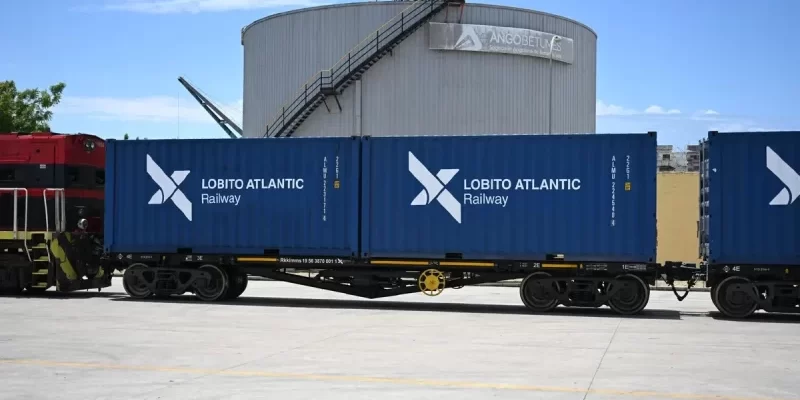
Currently, LAR’s trains primarily transport copper and cobalt to Lobito port for export. The line also carries sulphur to DRC mines, as well as agricultural goods and industrial products moving inland from the port.