
Newmont’s Veto Power Complicates Barrick’s Plan to Spin Off North American Assets
Barrick’s North America IPO Plans Depend on Newmont as Nevada JV Terms Shift Power Balance
TORONTO – Canadian mining group Barrick’s plans to spin off its North American assets will depend heavily on its joint venture partner Newmont, underscoring a dramatic shift in the balance of power between the two global gold producers, according to documents reviewed by Reuters and accounts from former Barrick executives.
Denver-based Newmont’s influence over Barrick’s strategic options marks a reversal from just a few years ago, when Barrick was seeking to buy out Newmont’s minority stake in their Nevada operations. A decade earlier, Barrick had even attempted a full takeover of Newmont.
Under the terms of the Nevada Gold Mines (NGM) joint venture, Newmont holds a right of first refusal should Barrick attempt to sell its stake in the asset.
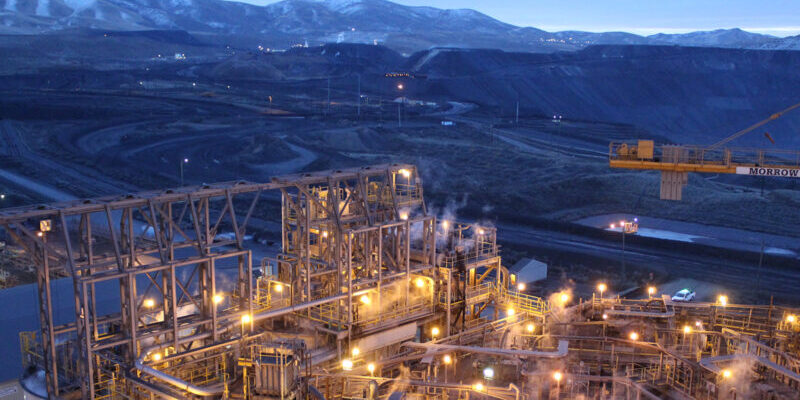
Barrick owns 61.5% of NGM, while Newmont holds the remaining 38.5%, making NGM Barrick’s most significant North American operation.
Barrick announced a major restructuring last year aimed at separating its North American business from higher-risk international operations, following the departure of former CEO Mark Bristow.
The proposed carve-out, potentially through an initial public offering, would include Nevada Gold Mines, the Pueblo Viejo mine in the Dominican Republic and the undeveloped Fourmile project in Nevada.
However, filings with the US Securities and Exchange Commission show that the joint venture agreement requires either partner to offer its interest in the Nevada assets to the other before selling to a third party.
Any transfer of shares also requires the consent of the other partner, effectively giving Newmont substantial control over any transaction involving NGM.
Barrick will also require Newmont’s participation to fund capital expenditure at the Fourmile project, which the company has positioned as a future flagship asset and intends to include in the planned IPO.
During an analyst call in October 2025, Newmont’s incoming CEO, Natasha Viljoen, said the company was awaiting further information from Barrick before committing additional capital.
Barrick’s broader restructuring—potentially involving a split into two separate entities—is among the most closely watched developments in the mining sector in 2026.
Investor interest in gold remains strong, with bullion prices hitting successive record highs. Barrick is expected to provide further details on its plans when it reports fourth-quarter results in February.
In a written response, Barrick said it respects its joint venture with Newmont and complies fully with all contractual terms. A Newmont spokesperson said the Nevada Gold Mines agreement remains unchanged from what has been publicly disclosed.
“Regarding Barrick’s potential IPO of its North American gold assets, Newmont does not have any information beyond what is in the public domain,” the spokesperson said, declining to comment on whether the company would fund the Fourmile expansion.
Despite a 130% rise in Barrick’s share price in 2025, the company has underperformed some peers over the past five years, gaining about 52% compared with a 142% increase at rival Agnico Eagle. Analysts continue to view Barrick as undervalued.
Industry executives familiar with the restructuring say it is unusual for a minority partner to wield such influence over asset sales. The current joint venture structure emerged after years of negotiations, following Barrick’s failed attempt in 2019 to acquire Newmont outright. Instead, the two companies agreed to combine their Nevada assets under a joint venture.
“Newmont has done a very good job of retaining strategic control,” said a former Barrick executive familiar with the arrangement. “Not long ago, Barrick was trying to buy Newmont.”
Barrick’s challenges were compounded in 2025 by geopolitical and leadership upheaval. Mali’s military government temporarily seized one of its mines and detained employees before an agreement was reached to restore operations.
The company also lost its CEO and is now seeking to rebuild investor confidence under chairman John Thornton.
Interim CEO Mark Hill is leading the group while the board searches for a permanent chief executive who will need to engage with major institutional shareholders, including BlackRock and activist investor Elliott. This month, Barrick appointed Helen Cai as its new chief financial officer.
The North American business is valued at around $42 billion, and analysts believe a standalone listing could unlock greater value than the current combined structure.
On Friday, Barrick shares were up 1.9% on the Toronto Stock Exchange, while Newmont shares gained 1.52% on the New York Stock Exchange.