

North Western Corridor Set to Transform Copper Exports from DRC to Namibia
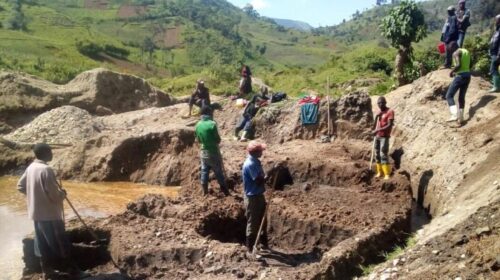
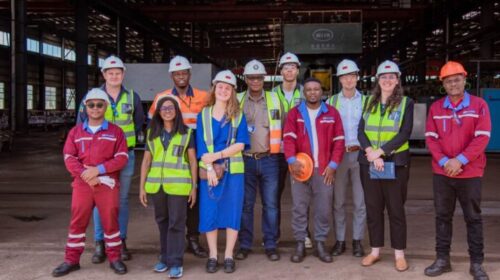
The Walvis Bay Corridor Group (WBCG) is advancing plans to establish a transformative trade route connecting Kolwezi in the Democratic Republic of Congo (DRC) to Walvis Bay in Namibia.
Dubbed the “North-Western Corridor,” this strategic initiative aims to offer a faster, shorter, and more efficient logistics alternative to the region’s current, overburdened routes.
At present, mineral exports from the DRC and Zambia travel through the congested Copperbelt and the heavily used Kasumbalesa border post, causing frequent delays and increased transportation costs. The new corridor is designed to bypass these bottlenecks, significantly improving the flow of goods across Southern Africa.
According to WBCG CEO Mbahupu Hippy Tjivikua, the corridor will start in Kolwezi—one of the DRC’s major mining hubs—pass through Solwezi in Zambia, and extend westward to Mongu. It will then turn southwest to Katima Mulilo before reaching Walvis Bay on Namibia’s Atlantic coast.
The route will feature entirely new infrastructure, including roads and a newly established border crossing between the DRC and Zambia. A concession agreement has already been signed, and the project is now in its preparatory construction phase, reflecting a strong commitment from stakeholders to modernize regional logistics.
One of the corridor’s key advantages is its efficiency. It will be approximately 235 kilometers shorter than the existing Walvis Bay–Ndola–Lubumbashi route and could cut travel times by up to seven days.
This development is particularly valuable for transporting time-sensitive goods such as copper and other minerals. Exporters stand to benefit from reduced costs, fewer delays, and improved reliability.
The timing of the project aligns with a surge in copper production in the region. The DRC has emerged as the world’s second-largest copper producer, with annual output approaching three million tons, while Zambia is aiming to increase its production to over one million tons per year.
As global demand for copper—especially in electric vehicles and renewable energy—continues to rise, the need for robust and efficient transport infrastructure is more urgent than ever.
The North-Western Corridor represents a vital step toward solving long-standing logistical challenges in Southern Africa. By creating a direct, streamlined path from the copper belts of Kolwezi and Solwezi to Walvis Bay, the route enhances regional integration and boosts trade competitiveness.
If successfully implemented, it could redefine mineral export logistics for inland African countries and support broader continental economic growth.