

Oakland Institute Warns DRC Against Potential Pitfalls of U.S. Mining Agreements
DRC’s New Deals with American Mining Firms Could Mirror Chinese “Minerals-for-Infrastructure” Failures, Oakland Institute Warns
The Oakland Institute, a think tank advocating for fair debate on social, economic, and environmental issues, has issued a report cautioning about the long-term impacts of agreements between the Democratic Republic of Congo (DRC) and American companies.
The warning follows the so-called Washington Agreement, signed on June 27, 2025, between the DRC and Rwanda, which serves as a backdrop for new U.S. investments in Congolese mining.
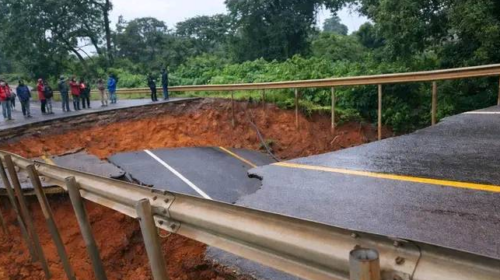
The report compares these agreements to past arrangements between the DRC and Chinese firms, particularly the “minerals-for-infrastructure” deal initiated in 2008, which reportedly failed to deliver equitable benefits to the Congolese state.
U.S. Interests Seek to Challenge China’s Mineral Dominance
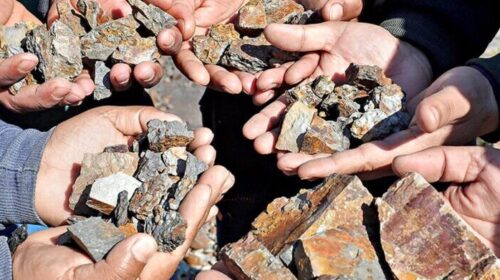
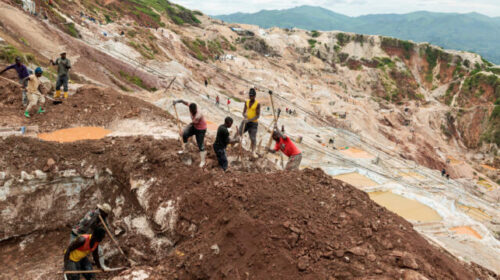
According to the report, nine of the world’s ten largest cobalt mines are located in southern DRC’s Katanga region, with Chinese companies owning half of them. Additionally, Chinese firms reportedly control over 80% of Congo’s copper mines.
“The value of trade between China and the DRC reached $27 billion in 2024, far exceeding the $1 billion in trade between the DRC and the United States,” the report notes.
This Chinese dominance has created strategic concerns for the United States, as Pentagon and U.S. military supply chains rely heavily on Chinese-controlled minerals, prompting Washington’s increased involvement in DRC mining.
Agreements with American Companies
The report highlights several high-profile U.S. mining agreements:
KoBold Metals signed a deal in July 2024 to explore over 1,600 km² of critical mineral resources, acquiring rights to the Manono lithium deposit through a billion-dollar agreement with AVZ Minerals.
America First Global, led by Gentry Beach, obtained rights to exploit the Rubaya mine, producing half of DRC’s coltan.
Erik Prince, founder of Blackwater, signed an agreement with Kinshasa in early 2025 to assist with fiscal control and combating mineral smuggling.
Additionally, the U.S. government is supporting the Lobito Corridor railway, linking key mining areas in the DRC to Angola via Zambia, which has received USD 553 million in financing.
While Congolese authorities view these deals as a means of enhancing security, critics fear these “minerals-for-security” agreements could mirror the shortcomings of the previous Chinese arrangements.
Potential Risks for Congolese Communities
The Oakland Institute questions claims by U.S. officials, including Secretary of State Marco Rubio, that American firms will ensure responsible, ethical mining practices.
“The role of American companies in perpetuating violence, fraud, and corruption in eastern DRC casts doubt on these assurances,” the report states.
The involvement of mercenary firms, known for human rights violations over decades, raises concerns that local communities may continue to live in conflict zones, even as mining operations expand.
The think tank warns that while the U.S. promises development, the benefits are far more likely to accrue to corporations than to Congolese communities, potentially eroding sovereign control and long-term national benefit.
Call for Caution and Oversight
The report urges the DRC government to carefully evaluate U.S. agreements, highlighting that long-term social, economic, and environmental costs may outweigh short-term gains.
“The development promised by the United States after massive extraction and transport of minerals is far more likely to benefit companies than Congolese communities,” the Oakland Institute concludes.