
President Tshisekedi Calls for Review of Tax Clearance Measures to Support Economic Growth
DRC President Tshisekedi Orders Reassessment of Tax Clearance Rules Amid Economic Concerns
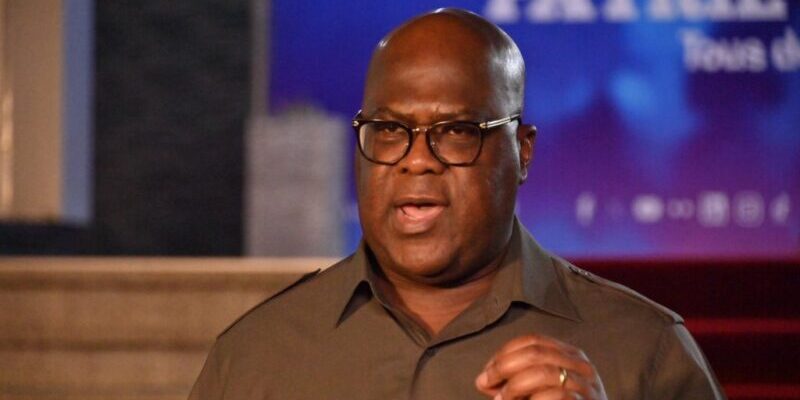
Amid growing concerns from business leaders over tax clearance requirements affecting commercial and administrative operations, President Félix Tshisekedi has called for a comprehensive review of these measures. His directive came during the 52nd ordinary session of the Council of Ministers.
The 2025 Finance Act and its implementing decree of April 9 introduced mandatory tax clearance certificates for a wide range of activities.
These include inter-company payments, opening bank accounts for non-residents, and acquiring administrative documents for expatriates.
However, the practical implementation of these requirements has faced strong criticism. Many economic operators have reported significant disruptions, including stalled projects, contract enforcement issues, and restricted access to financing. These challenges have led to heightened legal uncertainty and operational delays.
President Tshisekedi acknowledged these difficulties, reaffirming that economic stability and investor confidence must remain central to national policy.
“Fiscal discipline must not come at the cost of investor trust or the growth of the private sector,” he emphasized.
To address the situation, the President has tasked Prime Minister Jean-Michel Sama Lukonde with initiating consultations involving key stakeholders.
These include the Ministry of Finance, the General Directorate of Taxes (DGI), the Business Climate Unit, and representatives from the private sector.
This consultative approach will focus on three main objectives:
Evaluating the real-world impact of current tax clearance procedures;
Developing a more balanced tax framework that meets fiscal obligations while reflecting economic realities;
Drafting amendments to be included in the next Finance Act, with provisions for a gradual and well-supported implementation.
In the meantime, a selective moratorium on some of the most burdensome requirements is being considered to prevent further disruption to the economy.
The Business Climate Unit has been assigned a critical role in this process. It will be responsible for gathering on-the-ground feedback, analyzing implementation issues, and proposing technical solutions.
Acting as a bridge between the government and the private sector, the unit will help ensure that reforms are coherent, practical, and aligned with economic realities.
This strategic shift reflects President Tshisekedi’s broader vision: modernizing the DRC’s tax system while preserving economic momentum and maintaining an open, collaborative dialogue with the country’s key stakeholders.