

Tantalum Mining Dispute in Eastern DRC Jeopardizes U.S. Efforts to Secure Critical Minerals
Legal Dispute in DR Congo Threatens U.S. Critical Minerals Strategy
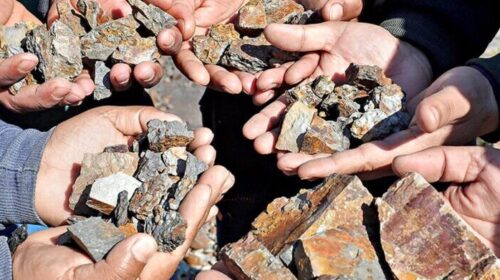
In the eastern Democratic Republic of Congo (DRC), a fierce dispute between the state-owned mining company SAKIMA and a local cooperative under U.S. sanctions is stalling the development of a major tantalum deposit — a metal essential for advanced technologies such as smartphones, semiconductors, and electric vehicles.
This conflict poses a significant challenge to the United States’ strategy to secure critical mineral supply chains and reduce dependence on China.
A Legal Tug of War
According to Bloomberg News, the state-owned Société Aurifère du Kivu et du Maniema (SAKIMA) is embroiled in a legal battle with a subsidiary of the Congolese Artisanal Mining Cooperative (CDMC) — an entity sanctioned by Washington for alleged links to illicit mining networks.
In a recent decision, the Supreme Administrative Court of the DRC ruled in favor of CDMC, overturning SAKIMA’s officially granted mining rights. The ruling has disrupted a draft mining partnership between Kinshasa and Washington, designed to strengthen U.S. access to Congo’s critical minerals.
Kinshasa Pushes Back
Despite the court’s decision, the Congolese government maintains that SAKIMA remains the legal holder of the Rubaya mining permit. However, multiple recent court rulings have invalidated ministerial decrees that revoked the concession, effectively bolstering the position of CDMC and its joint venture, Congo Fair Mining (CFM).
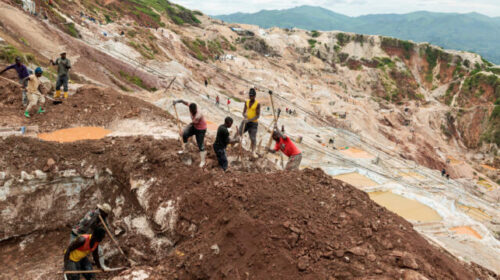
Complicating matters further, the Rubaya mining zone is currently controlled by M23 rebels, preventing physical access to the site and halting any ongoing development. This security crisis adds another layer of difficulty to U.S. diplomatic efforts to invest in and stabilize the DRC’s strategic mineral sector.
A Strategic Challenge for Washington
For the United States, the DRC represents a critical alternative to China in sourcing vital materials such as tantalum, cobalt, copper, and lithium — all essential for clean energy and advanced manufacturing.
However, the ongoing legal uncertainty and regional instability surrounding Rubaya threaten to derail the so-called “Rubaya Industrialization Project,” which Washington has described as vital for regional stability and technological development.
Unless the dispute is resolved and the security situation stabilizes, one of Africa’s most promising tantalum projects — and a cornerstone of the U.S. critical minerals strategy — may remain indefinitely out of reach.