
TAZARA Railway Revitalization Signals New Chapter in China–Africa Cooperation
Tanzania–Zambia Railway Revamp Strengthens China–Africa Partnership and Regional Connectivity
Stretching across the vast plateaus of southern Africa, the Tanzania–Zambia Railway (TAZARA) stands as a powerful symbol of enduring China–Africa friendship and cooperation that dates back to 1967.
Often described as a “steel artery,” the railway spans approximately 1,860 kilometres, linking the Indian Ocean port of Dar es Salaam in Tanzania to New Kapiri Mposhi in central Zambia, and providing the landlocked, resource-rich country with vital access to global markets.
At New Kapiri Mposhi railway station, a monument marks the railway’s precise length—1,860.54369 kilometres—a testament to the extraordinary effort behind its construction.
More than 50,000 Chinese engineers and workers laboured for five years and eight months alongside Tanzanian and Zambian counterparts to complete the project between 1970 and 1975.
Built as a turnkey project with an interest-free loan from China, the railway—also known as the Uhuru (Freedom) Railway—began commercial operations in July 1976.
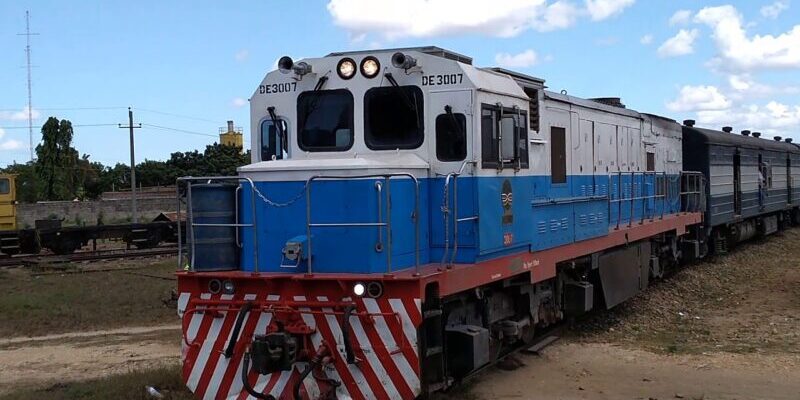
For those who work along the line, TAZARA remains a source of pride. Veteran train driver Jackson Masase, who has served at New Kapiri Mposhi Station for two decades, points to the railway’s diverse fleet of locomotives, noting that the Chinese-made engines stand out for their power and reliability.
Stationmaster Mukololo Chanda echoed this sentiment, highlighting the railway’s role in improving livelihoods and fostering lasting friendships between African and Chinese railway workers.
The shared history of sacrifice is preserved at the TAZARA Memorial Park, located about 20 kilometres northeast of Lusaka. The park commemorates 69 Chinese workers who lost their lives during the railway’s construction and related cooperative projects, including 18 in Zambia.
Their tools, personal belongings, and photographs serve as a poignant reminder of the hardship and determination that defined the project. For park staff such as Tobias Lingweshi, the site remains a deeply moving symbol of solidarity and shared purpose.
In recent years, however, TAZARA has faced operational challenges stemming from limited transport capacity, infrastructure degradation, and damage caused by natural disasters.
Experts believe the ongoing TAZARA Revitalization Project will address these constraints by enhancing rail capacity and strengthening the rail–sea intermodal transport network linking East and Central Africa.
The renewed commitment to the railway was underscored on November 19, when Chinese Premier Li Qiang arrived in Lusaka for an official visit and attended the groundbreaking ceremony for the revitalization project.
He described the initiative as a milestone marking a new phase in China–Africa cooperation focused on shared modernization and sustainable development.
According to project leaders, the rehabilitation will involve replacing sleepers and rails, repairing high-risk bridges, upgrading power and communication systems, and restoring logistics capacity.
Passenger services will be preserved and improved, while infrastructure and living facilities along the railway corridor will be enhanced. A dedicated training centre is also planned to strengthen railway management and skills development, with the project expected to generate more than 20,000 jobs.
Once completed, TAZARA’s freight capacity is projected to increase from about 200,000 tonnes per year to 2.4 million tonnes, cutting transport times by nearly two-thirds.
This expansion is expected to facilitate the movement of local products from rural areas to urban centres and international markets, while stimulating growth in commerce, logistics, agriculture, processing, and tourism along the corridor.
Leaders from Zambia and Tanzania have described the revitalization of TAZARA as a flagship project that reflects the shared future of the three countries. They say the railway will once again stand as a living example of how China and Africa continue to strengthen their friendship and work together to deliver transformative development projects for the region.