
US Africa Energy Forum Unveils Strategic Energy and Mineral Partnerships
U.S.-Africa Energy Partnership: $9.2 Billion in Deals to Power Africa’s Future
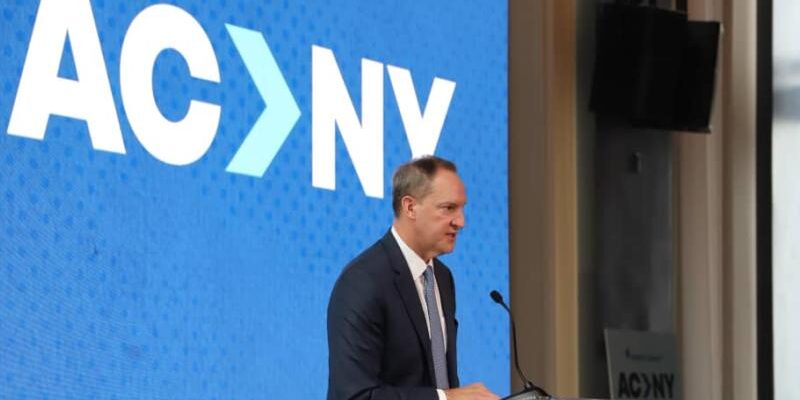
On the sidelines of the 80th United Nations General Assembly, the Atlantic Council’s Africa Center hosted the African Energy Forum, focusing on Africa’s growing role in global energy and mineral security.
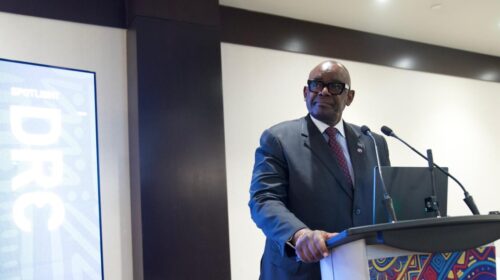
Addressing the forum, Jonathan Pratt, Senior Official in the Bureau of African Affairs at the U.S. Department of State, emphasized a critical reality: more than 600 million Africans still lack access to electricity. At the same time, he stressed Africa’s immense potential to meet this gap while supplying global energy needs.
Since the Trump administration began, over 17 agreements worth USD 9.2 billion have been signed in the energy and mineral sectors, illustrating the U.S. commitment to Africa’s development.
Key U.S. Initiatives in Africa’s Energy and Mining Sector
Pratt highlighted the agreement between U.S. company Hydro-Link and Angola, a USD 1.5 billion deal to build a transmission line connecting hydroelectricity to mines in the Democratic Republic of Congo (DRC).
This infrastructure will provide reliable energy to fuel cobalt and copper production — critical resources for global power grids and electronics.
“Africa is not on the margins of the global energy and minerals conversation; it is at the center,” Pratt said.
He added:
“African natural gas will power industries and homes both on the continent and abroad. African minerals will supply factories that underpin global security. African corridors, pipelines, and power plants will strengthen international supply chains.
The United States stands ready to partner with African governments and businesses to ensure these resources fuel U.S. and global markets — and Africa’s own growth.”
Strategic Priorities for U.S.–Africa Energy Cooperation
Jonathan Pratt outlined three pillars of the Trump administration’s strategy to strengthen Africa’s energy and mineral security:
- Strengthening the Investment Environment
The U.S. is working with African governments to improve policy and regulatory frameworks, enhance transparency, and attract quality private investment. For example, in Nigeria, a buyers’ club was launched to increase access to stable energy through U.S. investment.
The U.S. also engages with countries in the Great Lakes region — including the DRC and Rwanda — to secure peace agreements that would enable sustainable investment.
- Mobilizing Capital for Strategic Projects
Through agencies such as the DFC, EXIM, and USTDA, the U.S. aims to reduce investment risks and encourage companies to participate in projects that are both profitable and strategically important. Negotiations are underway for a bilateral minerals agreement with the DRC to strengthen these ties. - Promoting Transformative Regional Projects
The Lobito Corridor is a prime example. This initiative will create a secure and transparent export route for critical minerals from Angola, Zambia, and the DRC. Pratt explained:
“Our goal is to ensure reliable supply chains for the United States while building a thriving corridor that boosts trade, supports jobs, and fosters prosperity across the region.”
Africa’s Energy Challenge and the U.S. Role
Africa continues to face the most pressing energy access challenge in the world, with more than 600 million people without electricity. Yet, Africa contributes less than 4% of global emissions and is increasingly recognized for its vast gas resources — a vital element in the global energy transition.
Against this backdrop, Jonathan Pratt framed U.S.–Africa energy and mineral cooperation as a matter of shared prosperity and security:
“What happens in Africa’s energy and mining sectors will shape the continent’s future and global competitiveness for decades.”
The African Energy Forum, held during a pivotal period of U.S. foreign policy reorientation under President Donald Trump’s “America First” agenda, underscored the strategic importance of deepening U.S.–Africa partnerships for energy and mineral security.